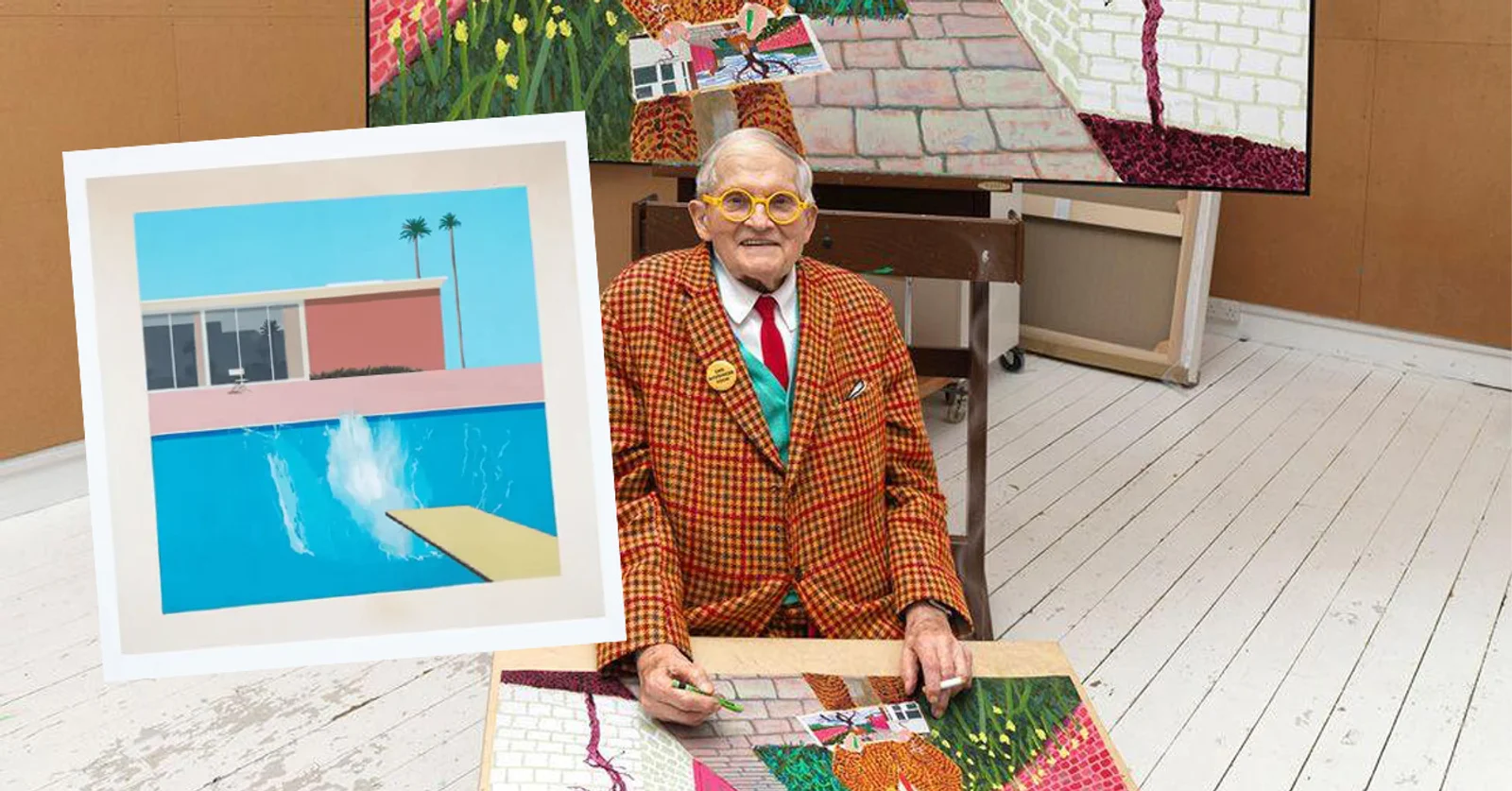
David Hockney (1937–2026): The Artist Who Taught Us How to See
by Electric Gallery
Friday 12 June 2026
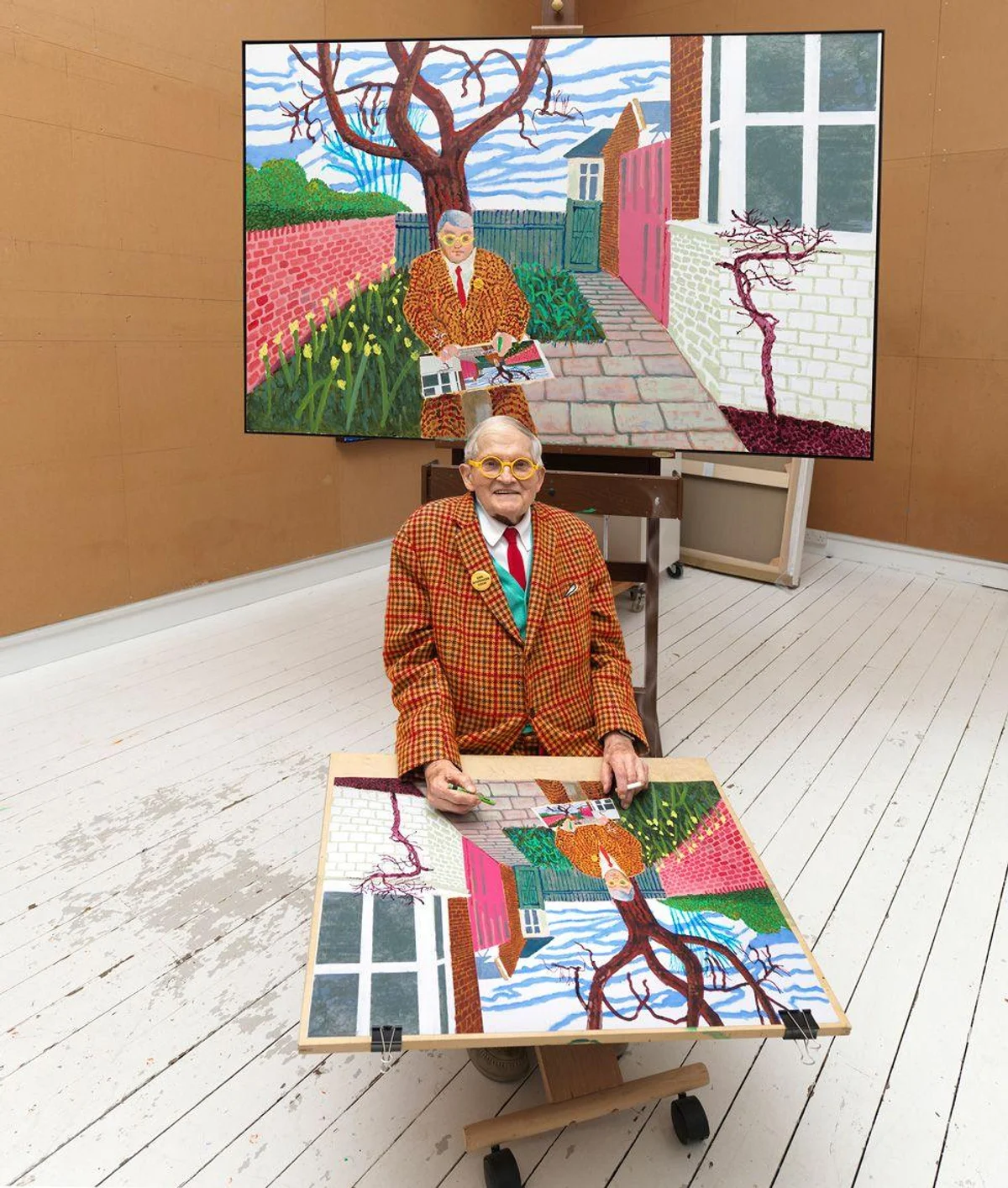
David Hockney (1937–2026): Remembering Britain's Most Influential Contemporary Artist
The art world has lost one of its most influential and recognisable figures. David Hockney, widely regarded as one of Britain's greatest living artists, has died at the age of 88, leaving behind a body of work that transformed contemporary art and inspired generations of artists, collectors and admirers around the world.
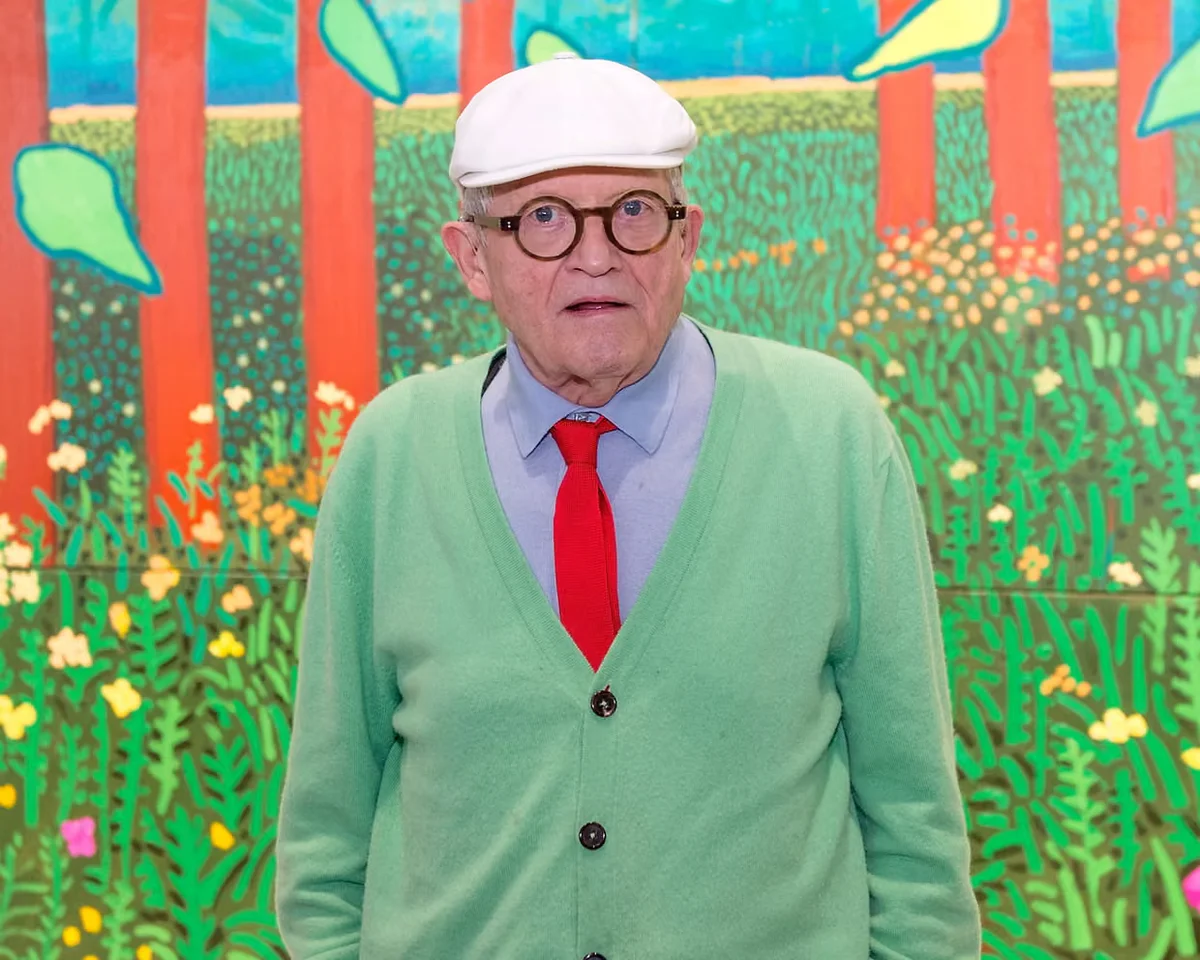
From the swimming pools of California to the rolling landscapes of Yorkshire, Hockney spent more than six decades challenging the way we look at the world. His work was instantly recognisable yet constantly evolving, embracing new technologies, perspectives and ideas while remaining deeply rooted in the simple act of observation.
From Bradford to Global Fame
Born in 1937 in Bradford, Yorkshire, David Hockney emerged as part of Britain's Pop Art movement during the 1960s. After studying at the Bradford School of Art and later the Royal College of Art in London, he quickly established himself as one of the most exciting young artists of his generation.
At a time when the British art scene was rapidly changing, Hockney's work stood apart. His paintings combined vibrant colour, personal narratives and a distinctly modern perspective. He was also notable for being openly gay at a time when homosexuality remained criminalised in Britain, bringing themes of identity and relationships into mainstream contemporary art.
The California Years
Perhaps no artist is more closely associated with California than David Hockney.
Drawn to the bright sunshine and vivid colours of Los Angeles, Hockney relocated to California in the 1960s. The experience transformed his artistic language. Gone were the muted tones of post-war Britain; in their place came turquoise swimming pools, palm trees, modernist architecture and endless blue skies.
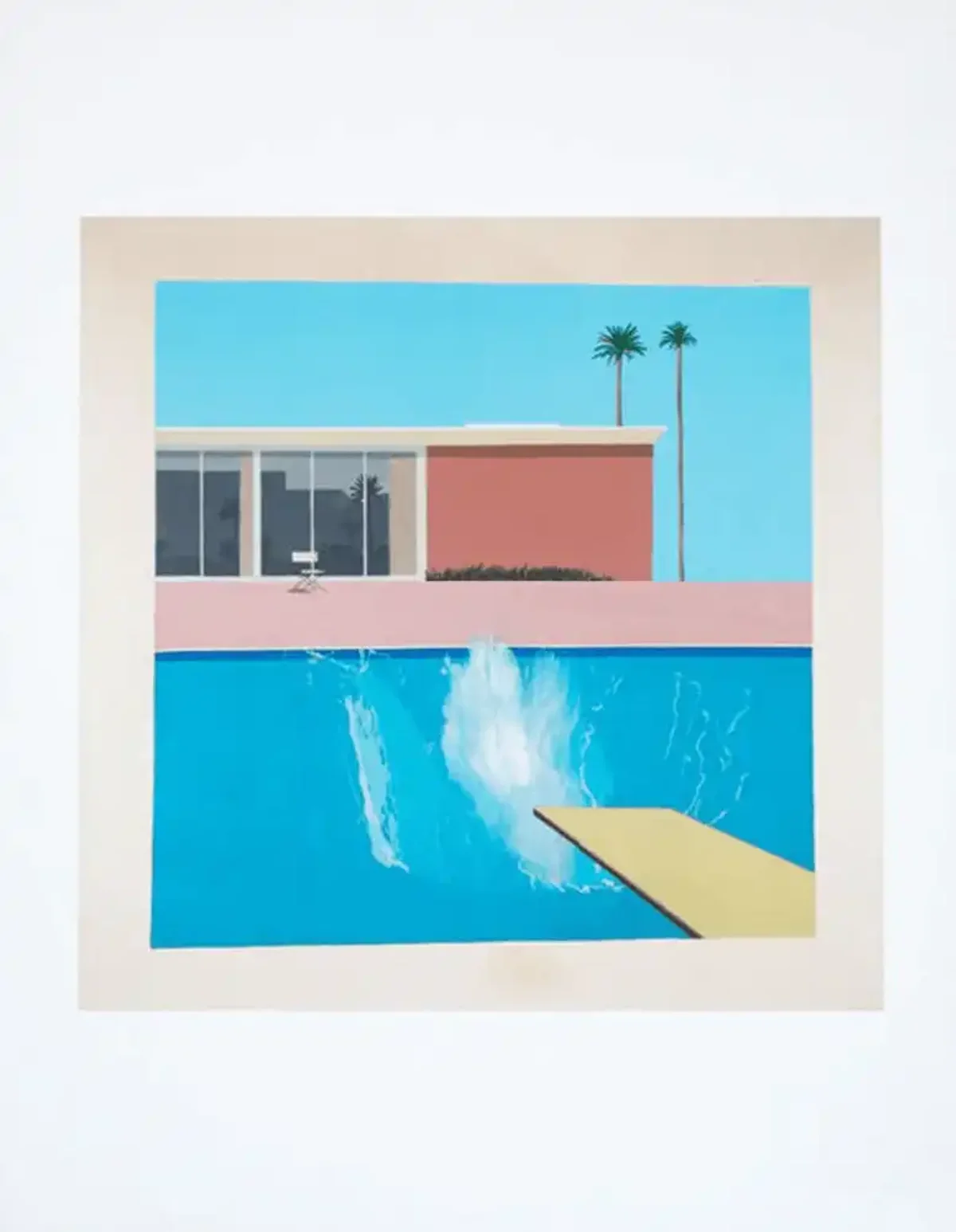
Works such as A Bigger Splash and Portrait of an Artist (Pool with Two Figures) became defining images of twentieth-century art. Decades later, these paintings remain among the most celebrated and valuable works ever produced by a living British artist.
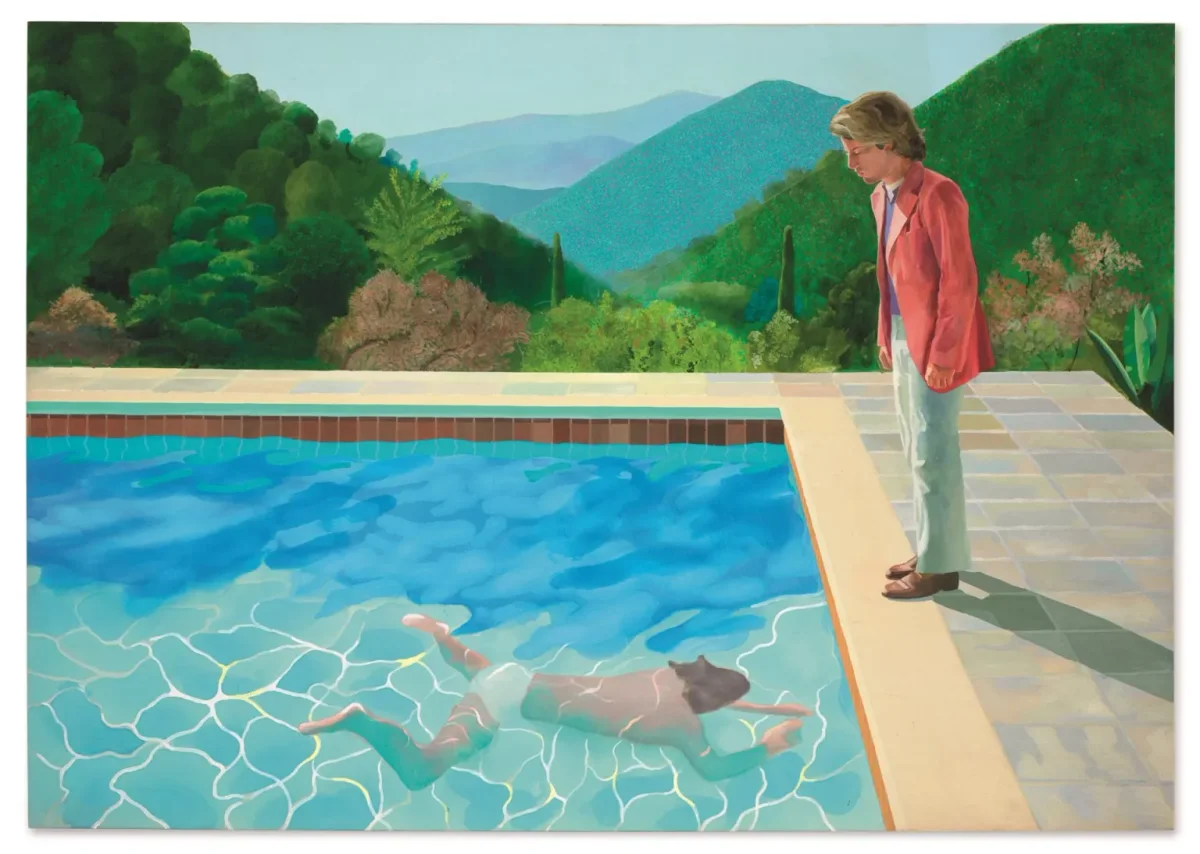
Yet Hockney's pool paintings were never simply about luxury or leisure. They explored movement, light, perspective and the challenge of representing a fleeting moment on a static canvas.
A Lifelong Innovator
What made Hockney unique was his refusal to stand still.
Throughout his career he experimented with photography, printmaking, stage design, photo collages and, later, digital drawing. Long before many artists embraced technology, Hockney was creating artworks on iPhones and iPads, demonstrating that innovation and tradition could exist side by side.
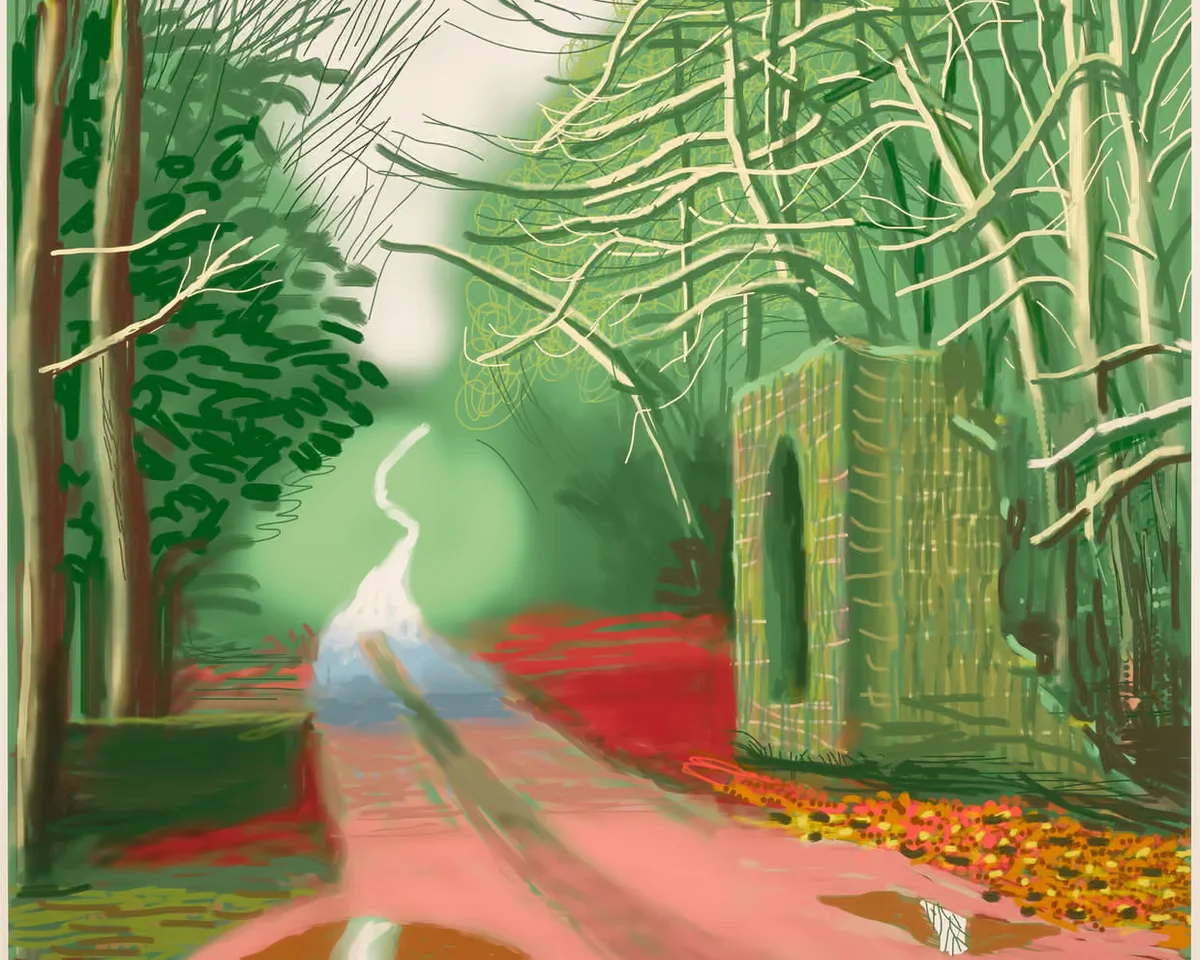
His curiosity remained undiminished well into his eighties. While many artists become defined by a particular period, Hockney continued to reinvent himself, producing large-scale landscapes, immersive exhibitions and digital works that captivated new audiences.
Yorkshire: Coming Home
Although his reputation became global, Yorkshire always remained close to Hockney's heart.
In later years he returned to paint the landscapes of his native county, producing monumental works that celebrated the changing seasons, winding roads and expansive countryside of northern England. These paintings demonstrated the same fascination with colour and light that had characterised his Californian works, but with a distinctly British sensibility.
For many admirers, these landscapes represented a full-circle moment in his career - a return to the landscapes that first shaped his artistic vision.
Why David Hockney Matters
Few artists achieve genuine cultural recognition beyond the art world. David Hockney was one of those rare exceptions.
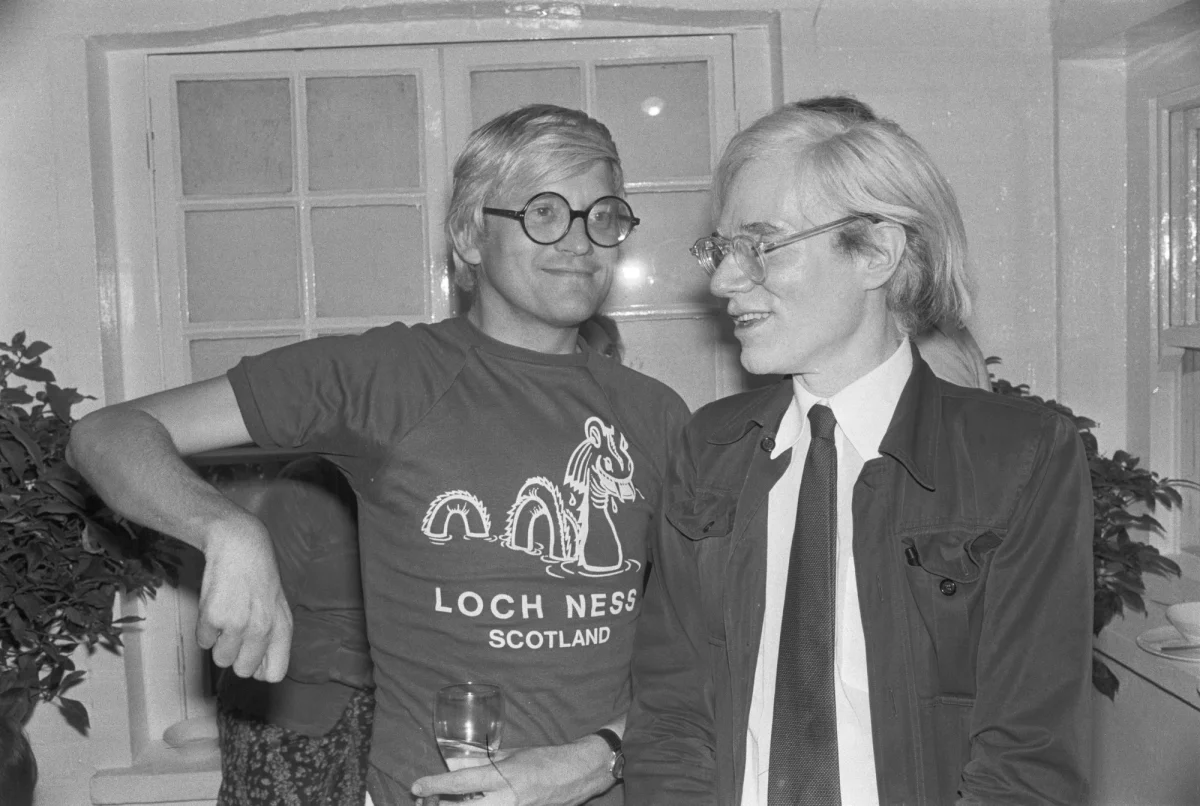
David Hockney with Andy Warhol, 1976
His paintings became icons. His glasses and platinum hair became instantly recognisable. More importantly, his work remained accessible without ever being simplistic. Whether depicting a swimming pool, a friend, a flower or a Yorkshire lane, Hockney encouraged viewers to look more carefully at the world around them.
He believed that seeing was an active process and that art could help us appreciate everyday beauty in new ways.
That philosophy resonated with millions.
A Lasting Legacy
David Hockney leaves behind an extraordinary artistic legacy spanning more than sixty years. His influence can be seen not only in museums and galleries but also in contemporary photography, digital art, design and visual culture.
As collectors, curators and admirers reflect on his life and work, one thing is certain: Hockney's art will continue to inspire future generations.
His paintings captured sunlight, colour and joy with a clarity that few artists have ever achieved.
In doing so, he changed the way we see the world.
David Hockney, 1937–2026.