Apollo 13 Moon Photography: The Story Behind One of Space Exploration's Most Iconic Images
by Electric Gallery
Thursday 16 July 2026
Apollo 13 Moon Photography: The Story Behind One of Space Exploration's Most Iconic Images
Every generation has images that define an era.
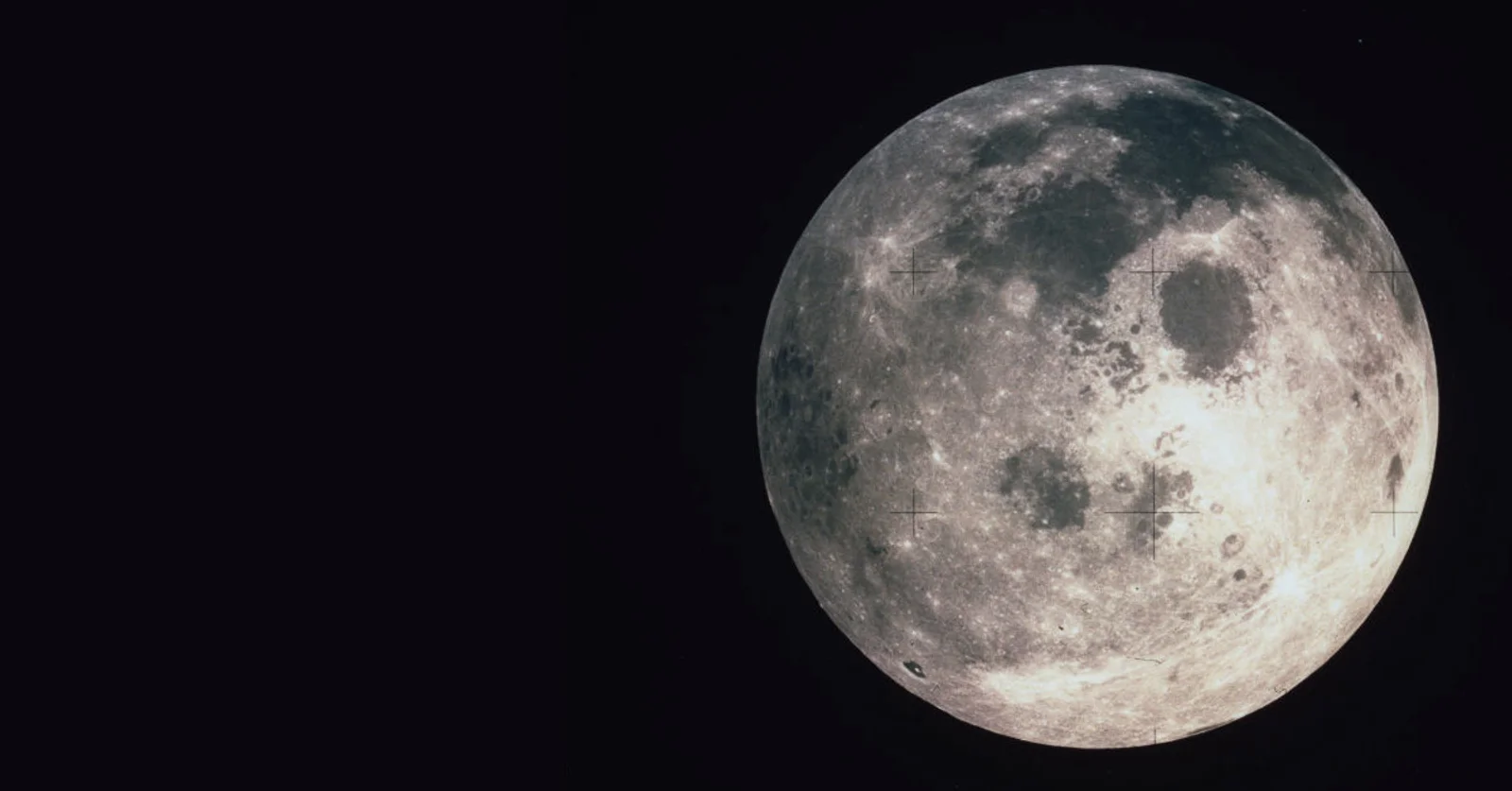
The Earthrise photograph. Buzz Aldrin standing on the lunar surface. The Blue Marble. And among them sits another remarkable image, an extraordinary view of the Moon captured during the Apollo 13 mission.
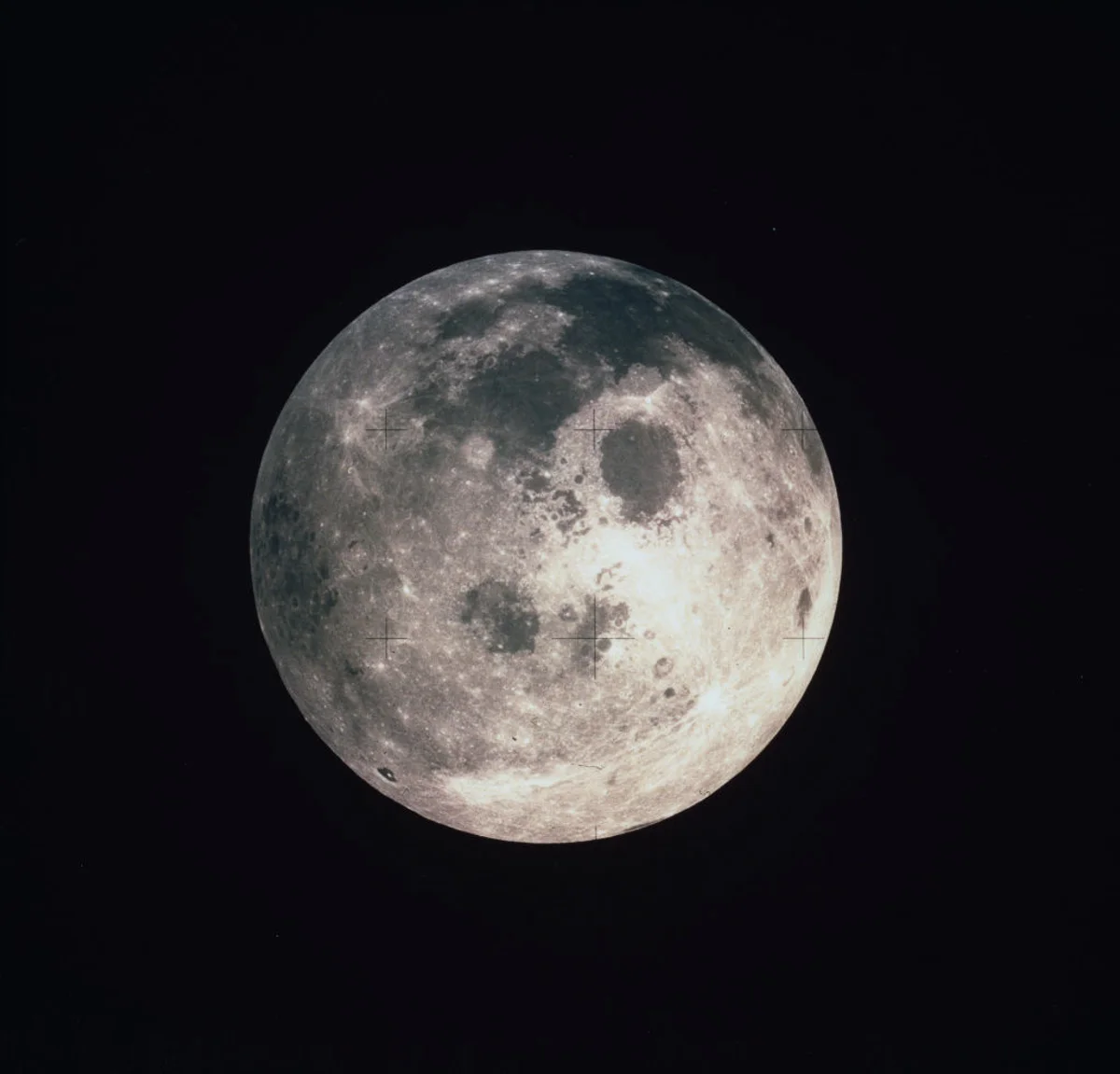
Released as a fine art photographic print from the Getty Images archive, this striking image is more than a beautiful photograph. It represents one of the most dramatic chapters in human space exploration and reminds us that the Moon has inspired artists, photographers and dreamers long before, and long after, we first set foot upon it.
As International Moon Day 2026 approaches on 20 July, it's the perfect moment to revisit the story behind this remarkable image and explore why lunar imagery continues to captivate collectors today.
Apollo 13: The Mission That Captured the World's Attention
When Apollo 13 launched on 11 April 1970, it was intended to become NASA's third Moon landing mission.
Instead, an oxygen tank exploded nearly 56 hours into the flight, forcing the crew - Jim Lovell, Jack Swigert and Fred Haise - to abandon their landing and focus solely on surviving the journey home.
The words "Houston, we've had a problem" have since become part of popular culture, but the reality was far more extraordinary. The astronauts used the Moon's gravity to slingshot the damaged spacecraft back towards Earth, completing one of NASA's greatest engineering achievements.
Although the landing never happened, Apollo 13 produced some of the mission's most compelling photography.
A Different Perspective of the Moon
Unlike many famous Apollo images taken from the lunar surface, this photograph presents the Moon from orbit. A vast, textured sphere suspended against the darkness of space.
Without the distractions of Earth's atmosphere, every crater, mare and ridge becomes strikingly visible.
There's a remarkable stillness to the image. It isn't simply documentary photography; it possesses a minimalist quality that has made it equally at home in galleries, homes and design-led interiors.
Half a century later, it feels as contemporary as ever.
When Science Becomes Art
Some photographs transcend their original purpose.
NASA's mission photographers were documenting history, not creating works for galleries. Yet many of these images have become celebrated examples of photographic art.
This Apollo 13 Moon image is a perfect example.
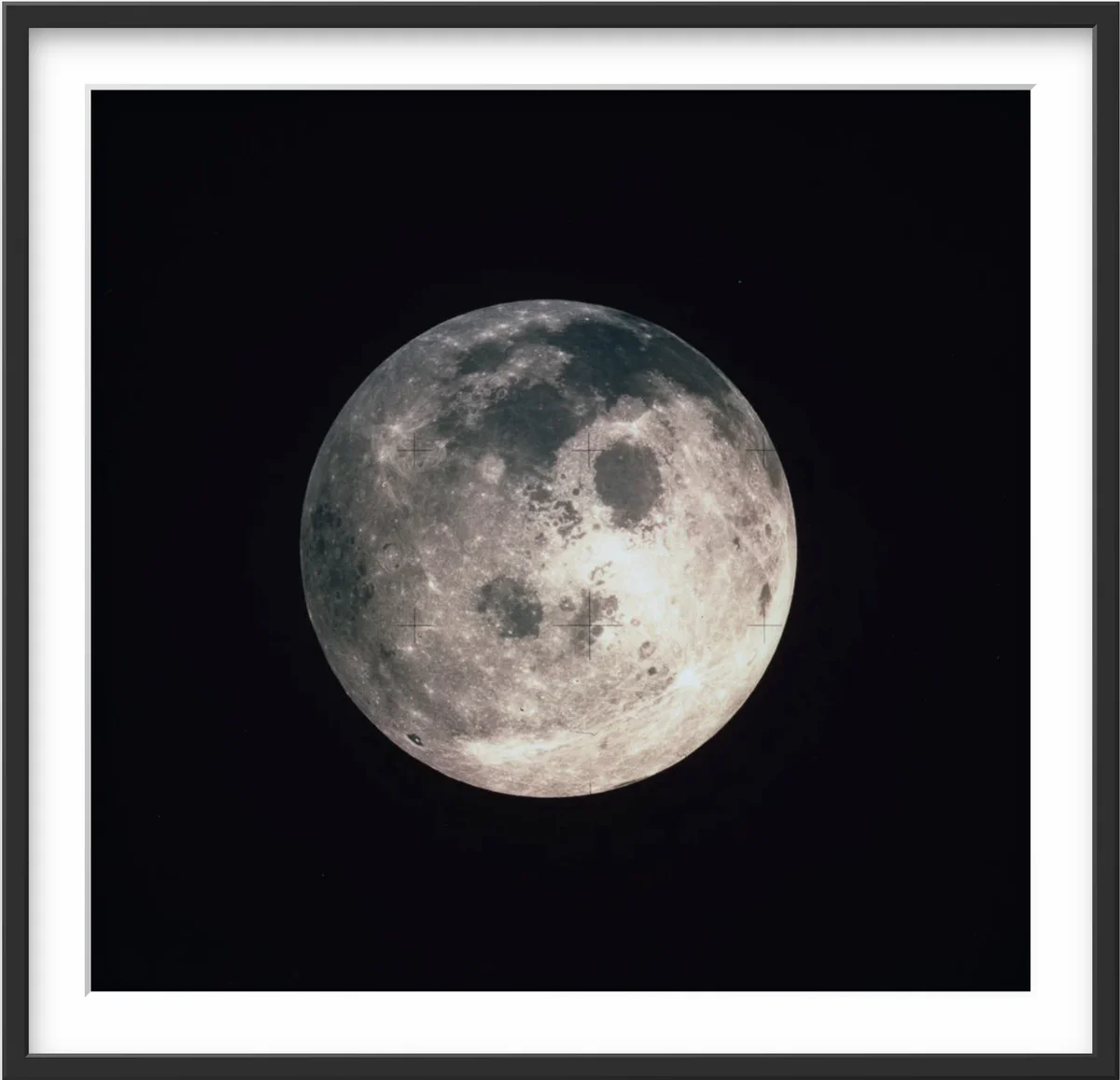
Its balanced composition, monochromatic palette and incredible detail create an image that works both as an historical document and as a timeless piece of wall art.
For collectors, it offers something unique, a print that combines scientific achievement with enduring aesthetic appeal.
Why the Moon Has Always Inspired Artists
Long before spacecraft reached orbit, artists looked skyward for inspiration.
The Moon has symbolised mystery, romance, exploration and imagination across centuries of art history. From Renaissance paintings to Pop Art and contemporary printmaking, lunar imagery continues to evolve.
Our Moon-inspired collection reflects that fascination through very different artistic lenses.
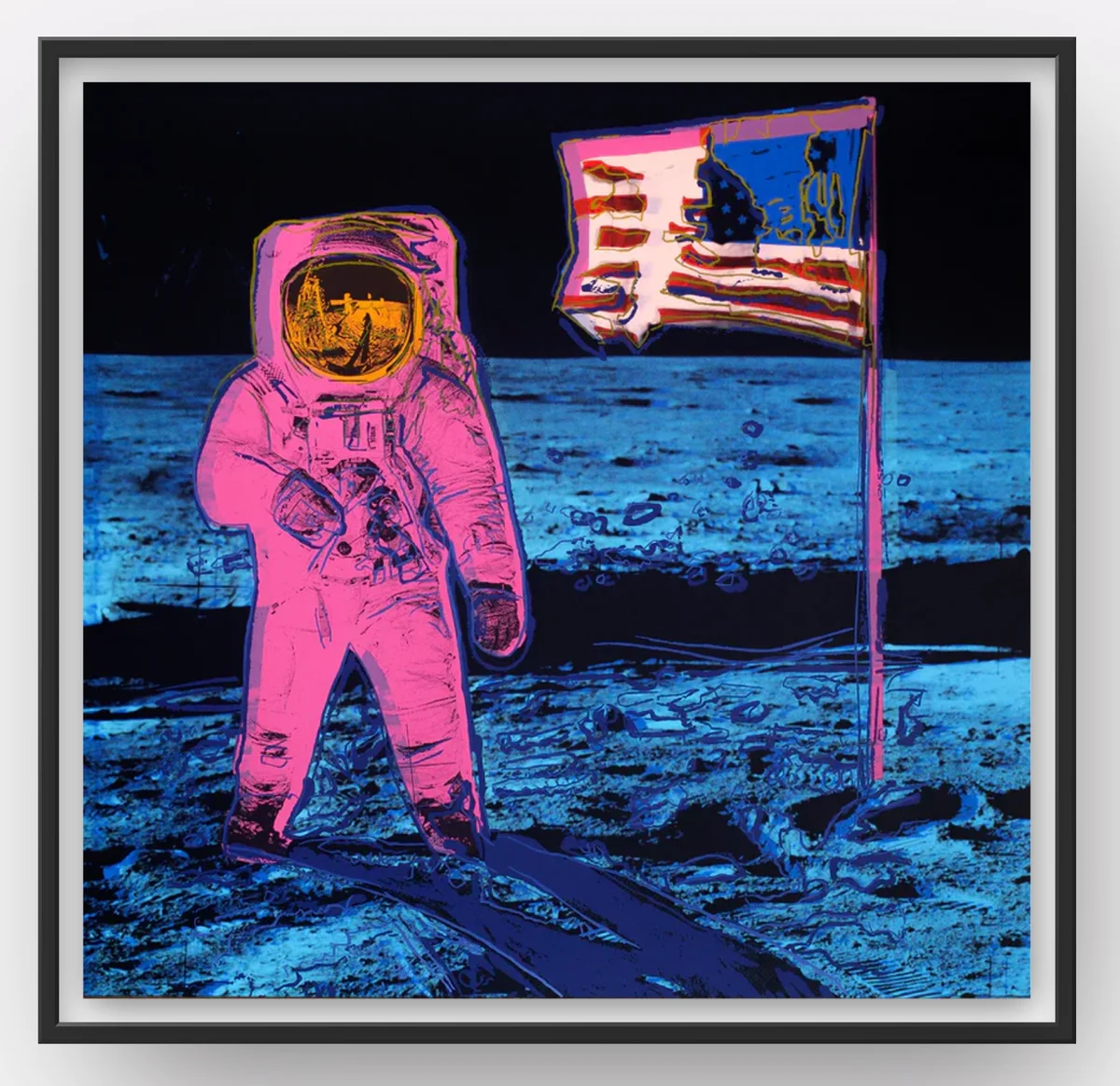
Moonwalk by Sunday B. Morning reinterprets one of humanity's defining achievements through the language of Pop Art, while Wish You Were Here by Dave Buonaguidi combines humour, nostalgia and graphic simplicity to celebrate our enduring curiosity about space.
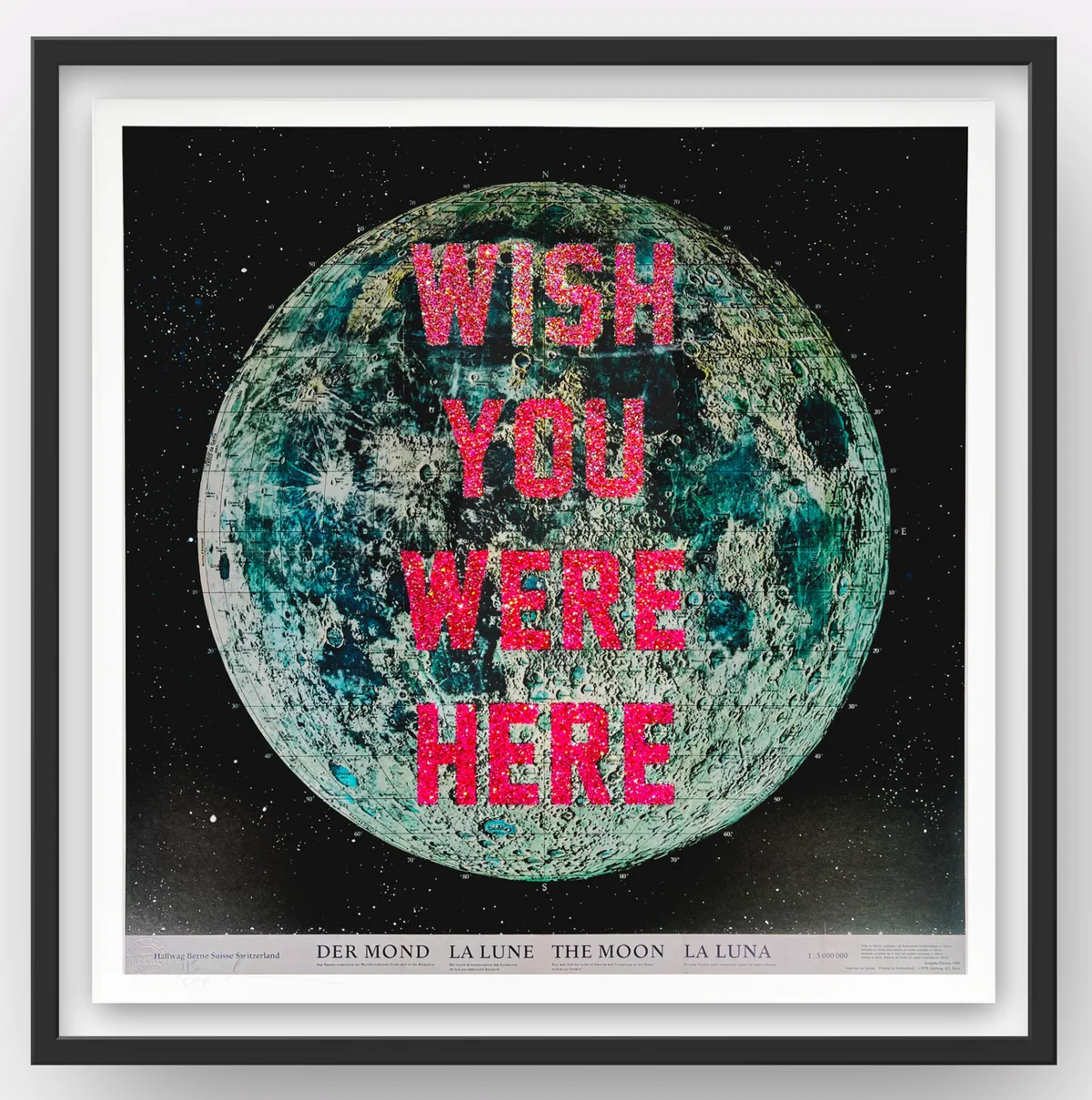
Together with the Apollo 13 photograph, these works demonstrate how a single subject can inspire entirely different forms of artistic expression.
Bringing Space Exploration Into Your Home
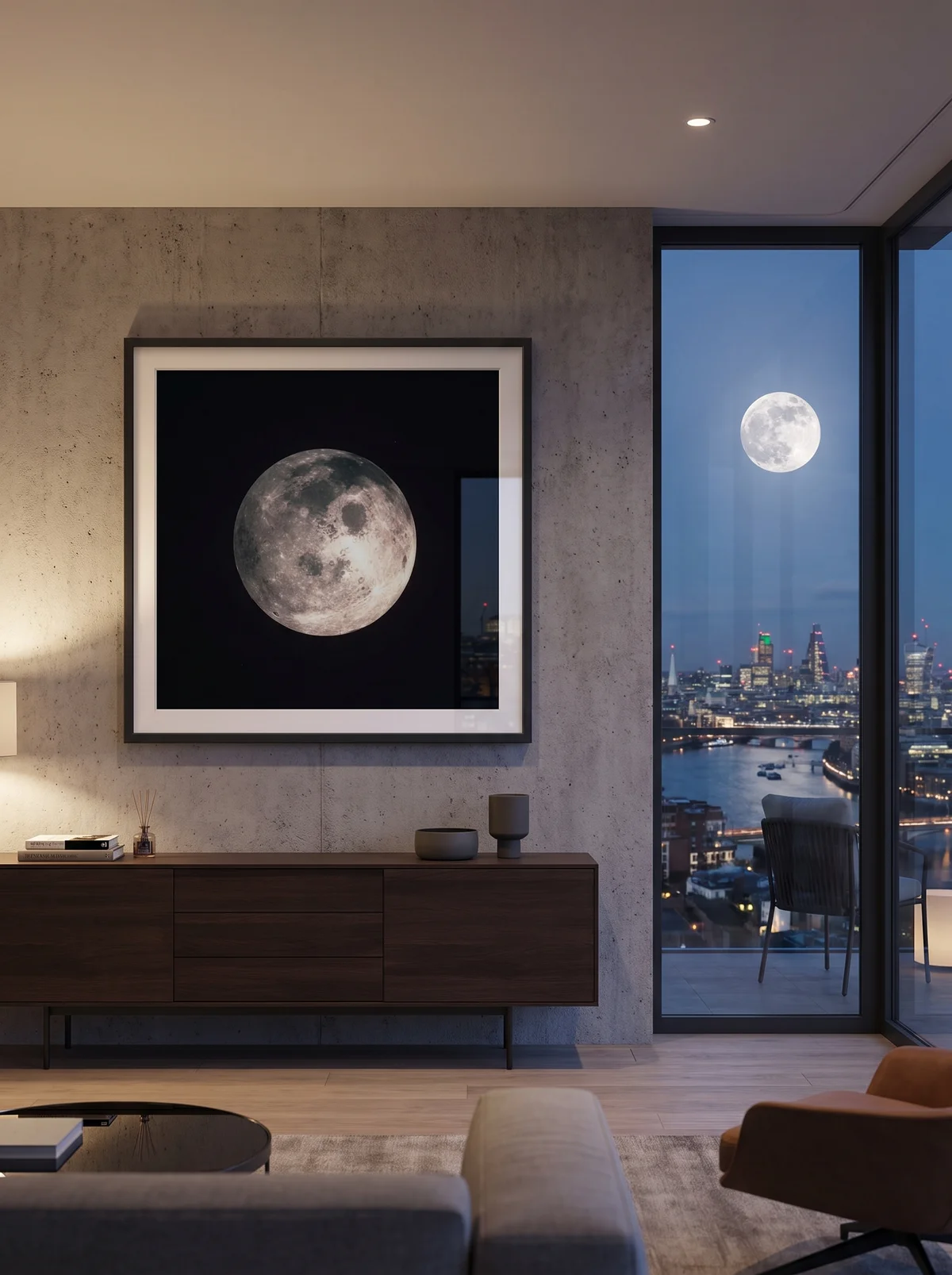
Space photography has become increasingly sought after by collectors and interior designers alike.
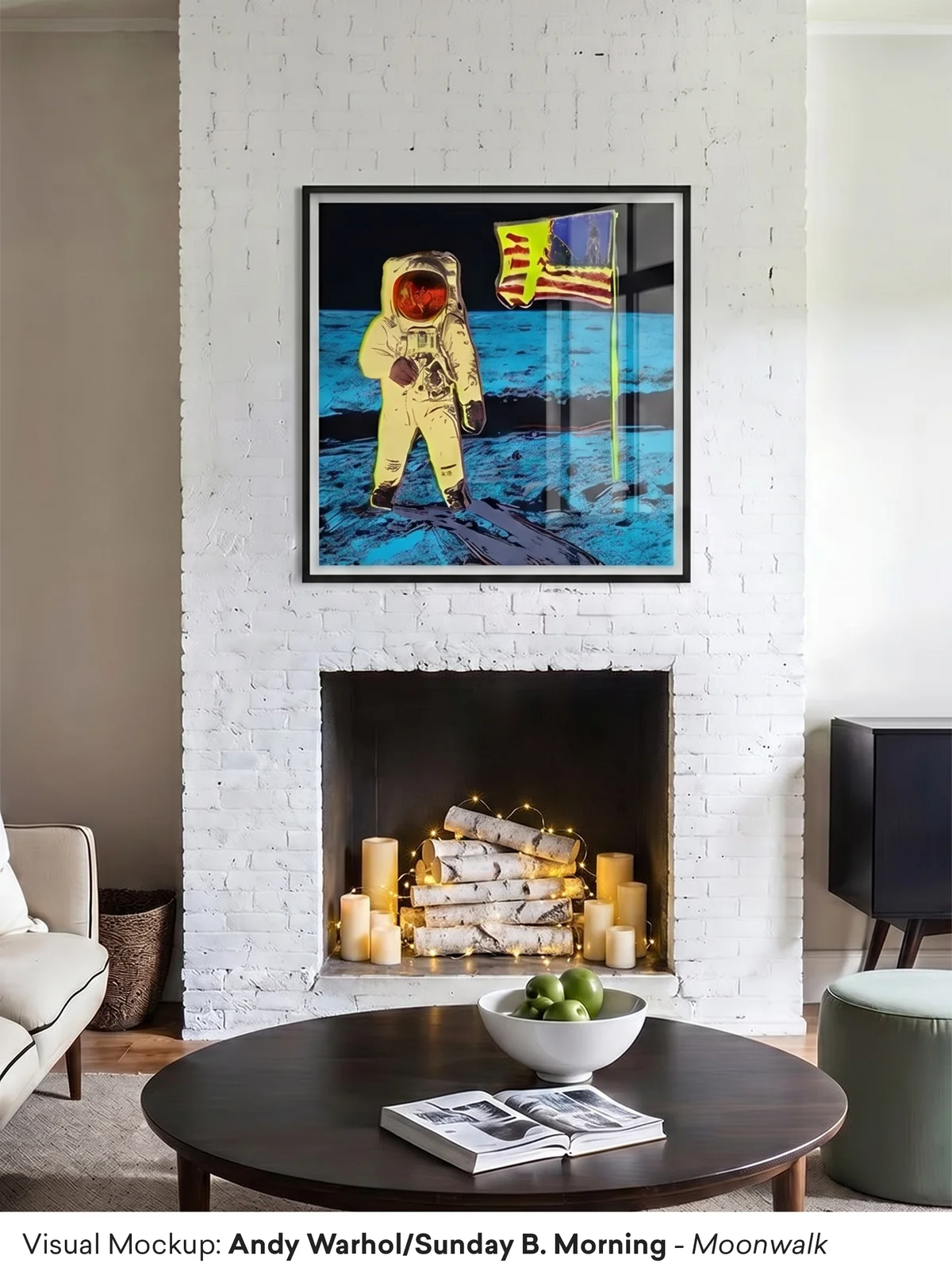
Its appeal lies in its versatility. Monochrome lunar photography complements contemporary interiors, while its historical significance provides a compelling story behind the artwork.
Whether displayed in a living room, office or creative workspace, the Apollo 13 Moon photograph serves as both a conversation piece and a reminder of one of humanity's greatest adventures.
Celebrate International Moon Day
International Moon Day commemorates the anniversary of humanity's first steps on the lunar surface on 20 July 1969.
It's an opportunity to celebrate not only scientific achievement but also the cultural impact the Moon continues to have on art, photography and design.
Whether you're drawn by the history of Apollo 13 or simply captivated by the beauty of the Moon itself, these works remind us why we continue to look skywards.