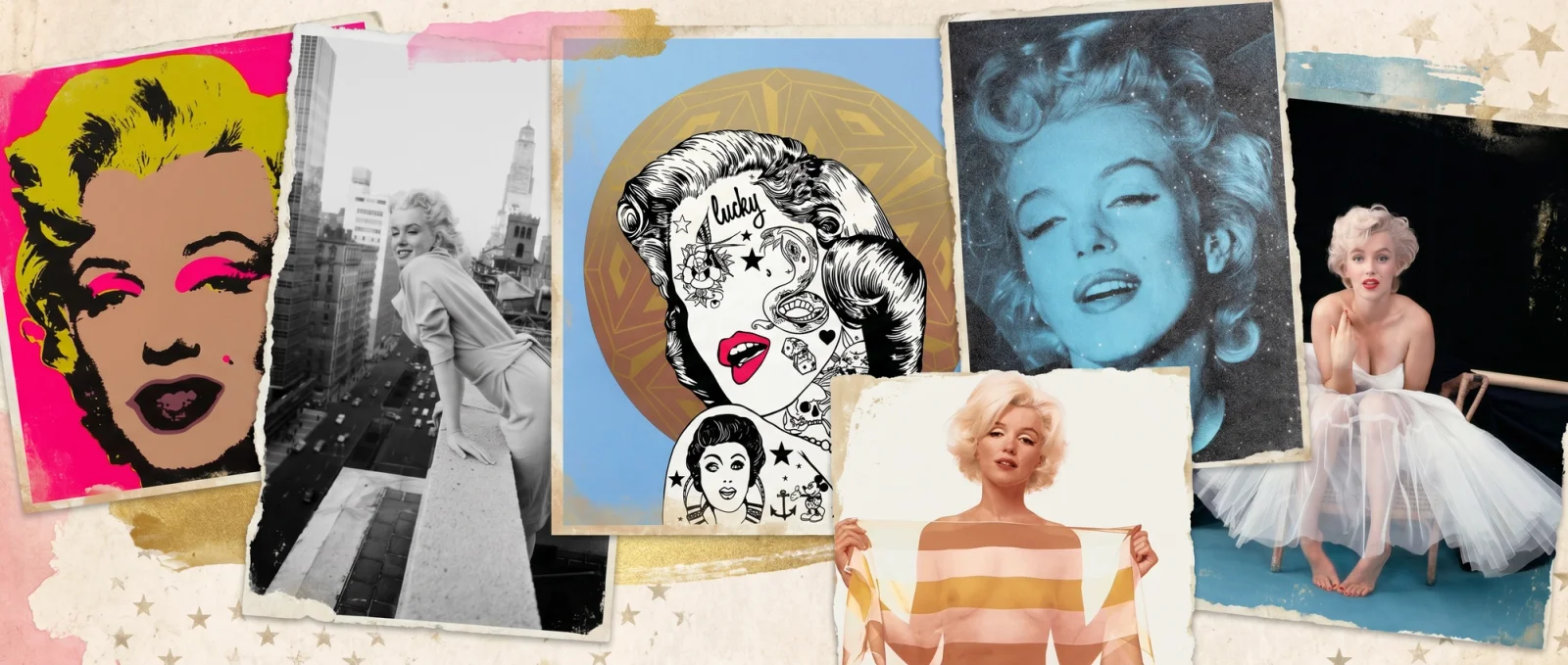
Marilyn Monroe at 100: Warhol, Photography and the Making of an Icon
by Electric Gallery
Wednesday 27 May 2026
Marilyn Monroe at 100: Warhol, Photography and the Making of an Icon
This week marks what would have been the 100th birthday of Marilyn Monroe.
More than a Hollywood star, Marilyn has become one of the most enduring subjects in modern art and photography. Her image has been reinterpreted for decades. Shifting between glamour and fragility, performance and stillness, and continues to shape how we think about fame and visual culture today.
At Electric Gallery, we are revisiting Marilyn through the artists and photographers who helped define that legacy.
Marilyn Monroe in Pop Art: Andy Warhol and the Icon
When Andy Warhol began working with Marilyn’s image in the early 1960s, he wasn’t simply creating portraiture. He was working with an already familiar image, one that had circulated through film stills, publicity and mass media.
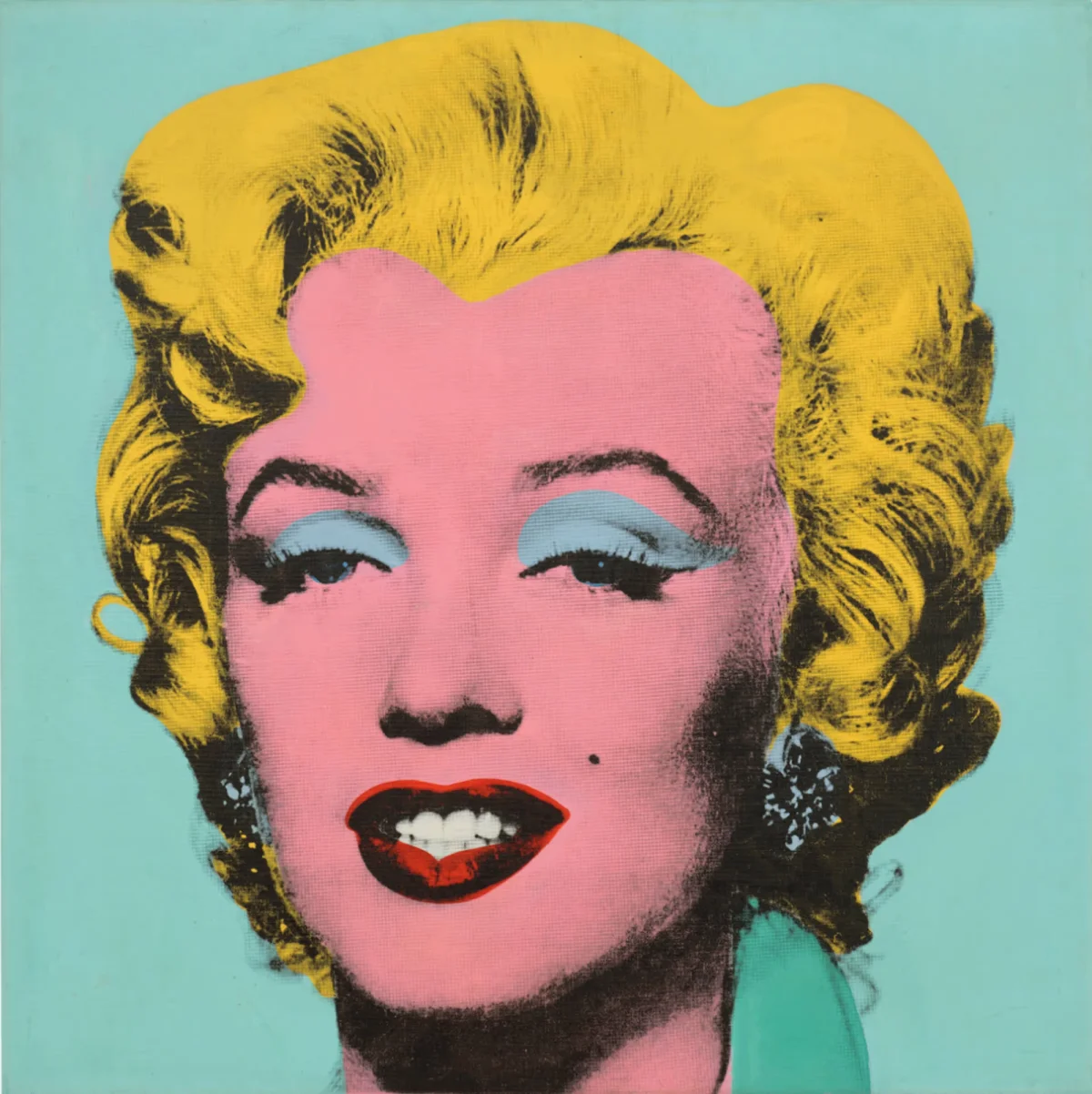
Using a promotional photograph from Niagara, Warhol transformed Marilyn into something both familiar and distant. Through repetition and bold colour, the image becomes less about the individual and more about how celebrity is reproduced, consumed, and remembered.
It’s this tension that has kept the work so present. Not as a fixed portrait, but as an evolving symbol.
Marilyn Monroe Photography: Milton Greene, Bert Stern and Michael Ochs
Photography played an equally important role in shaping Marilyn’s visual identity.
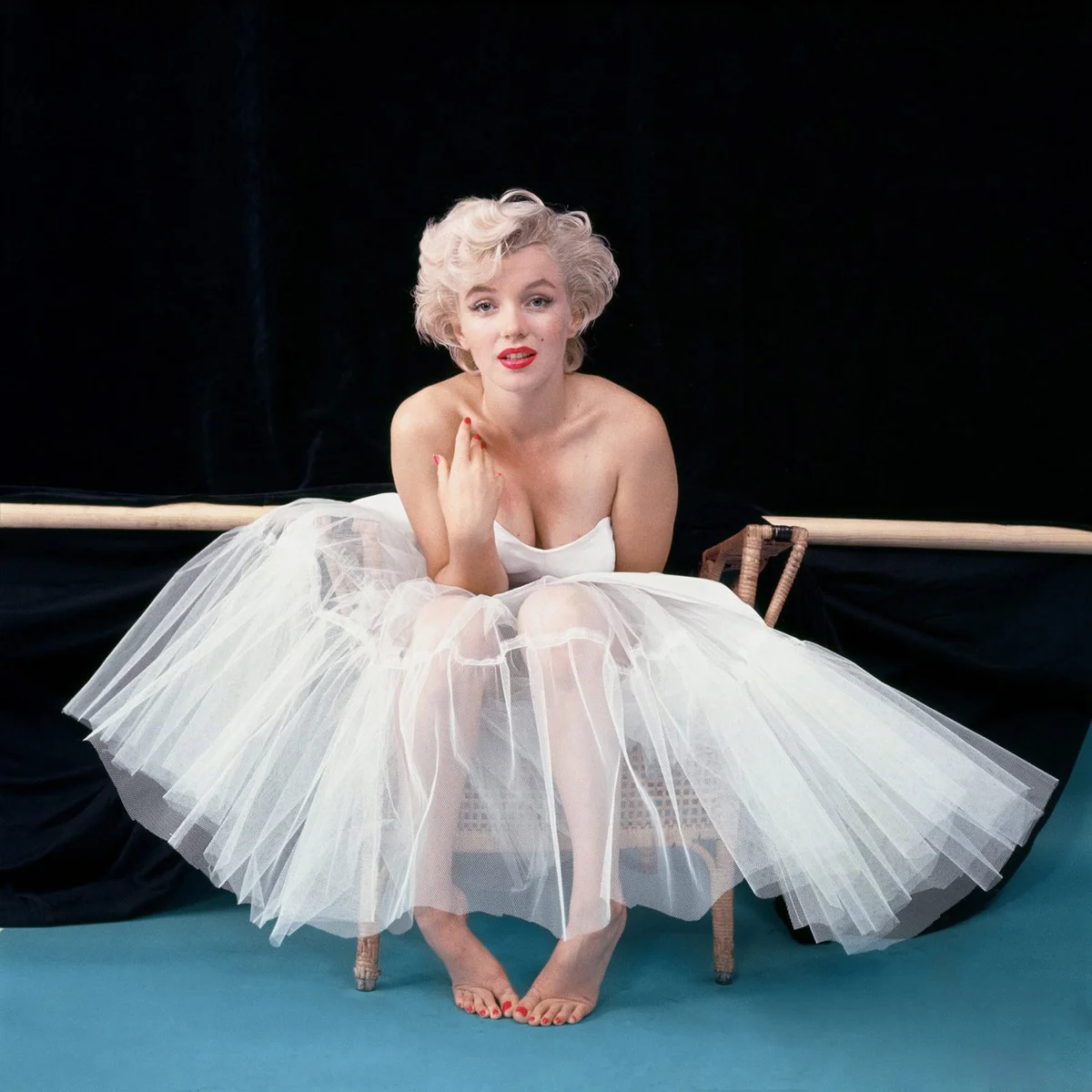
Milton H. Greene, Marilyn Monroe – Ballerina Sitting, 1954, Archival Pigment Photograph
Milton Greene captured Marilyn during a period where she was actively shaping her own image. The photographs feel collaborative, controlled, yet intimate, revealing a different side to the public persona.
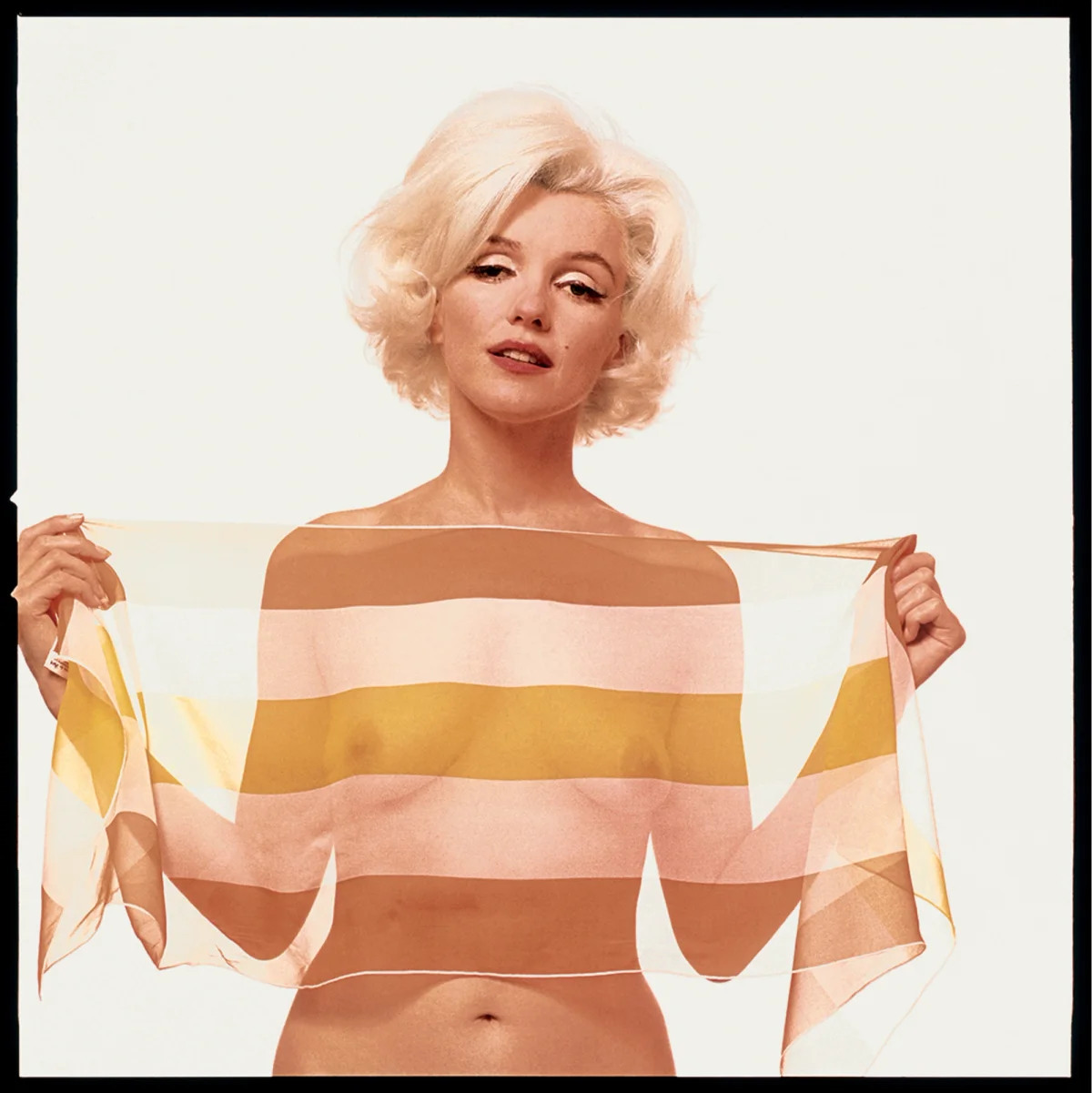
Bert Stern, Marilyn Monroe - The Last Sitting, Striped Scarf, 1962
Bert Stern’s Last Sitting, taken shortly before her death in 1962, carries a very different tone. Glamour and vulnerability sit side by side, giving the series its lasting cultural weight.
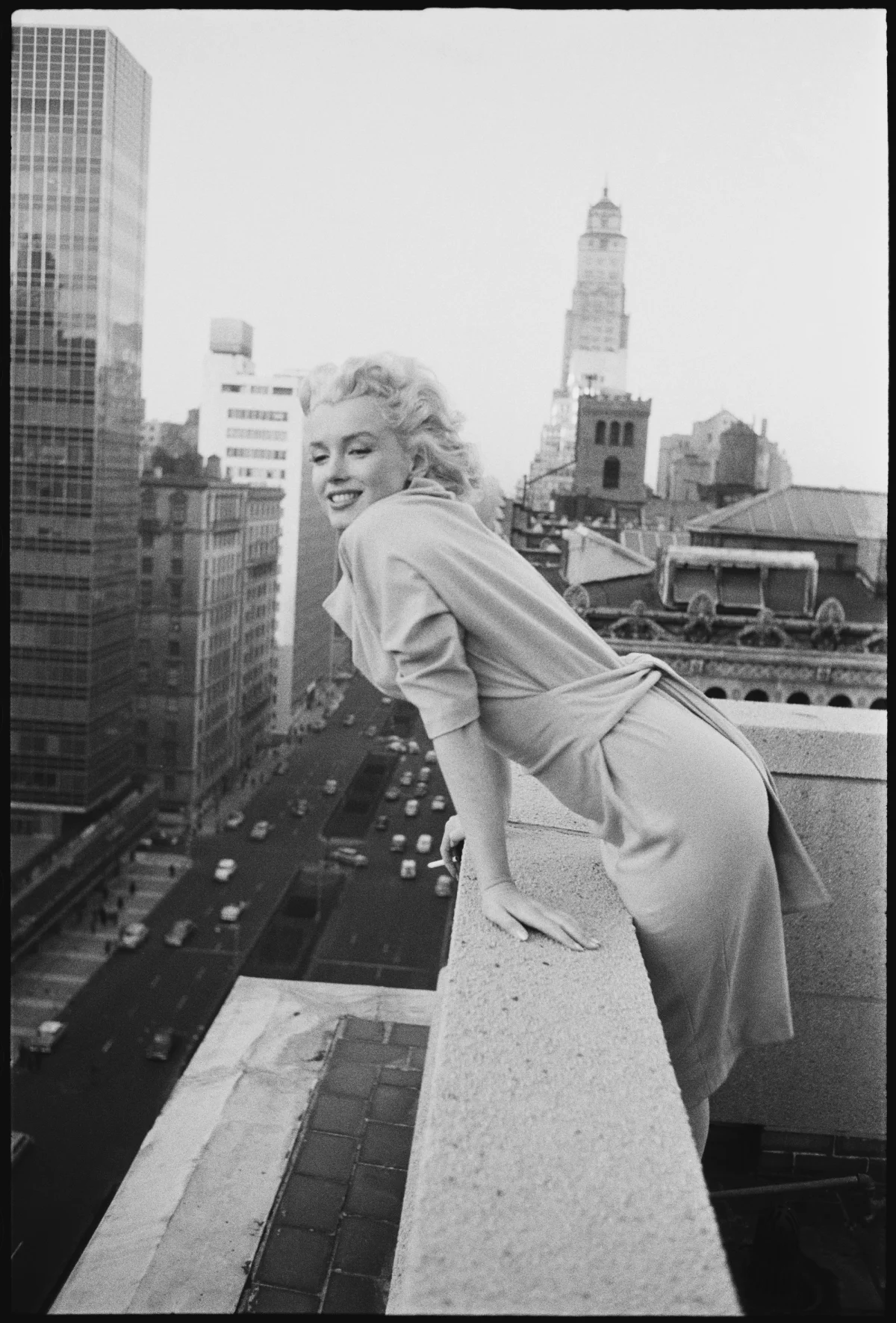
Michael Ochs, Marilyn Monrow - Marilyn on the Roof, 1955
Alongside these, the archive of Michael Ochs places Marilyn within a wider visual history of entertainment and celebrity. His work frames her not as isolated icon, but as part of a broader cultural language of performance and image-making.
Together, these photographic perspectives don’t define Marilyn so much as show the many ways she has been seen.
Marilyn Monroe’s Legacy in Contemporary Art
What makes Marilyn such a lasting presence in art is not a single interpretation, but the space she holds between them.
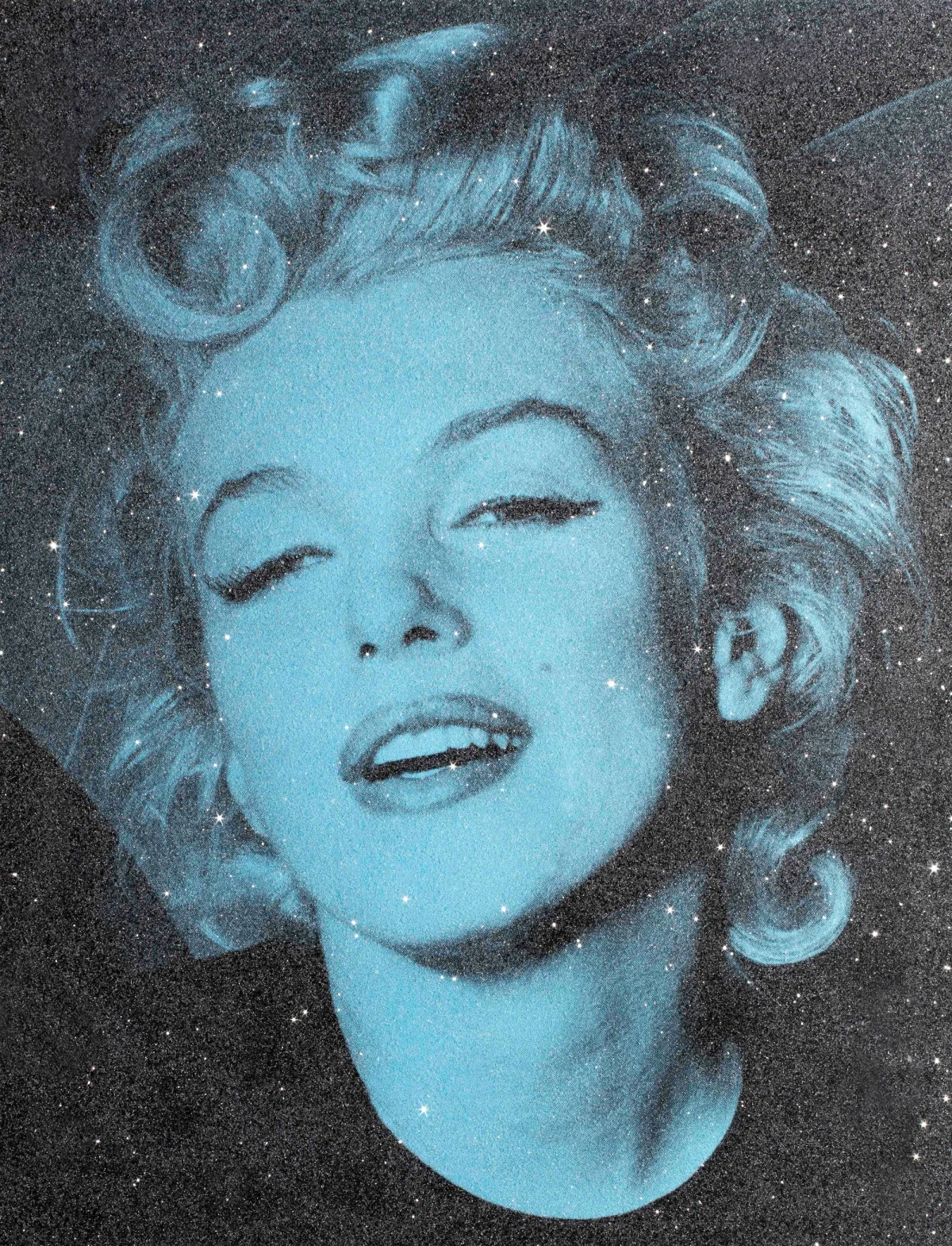
Marilyn Monroe (Cyan) - David Studwell
She exists as both constructed and candid, public and private, distant and familiar - often within the same frame. That openness is why artists continue to return to her image, using it to explore ideas around identity, fame and representation.
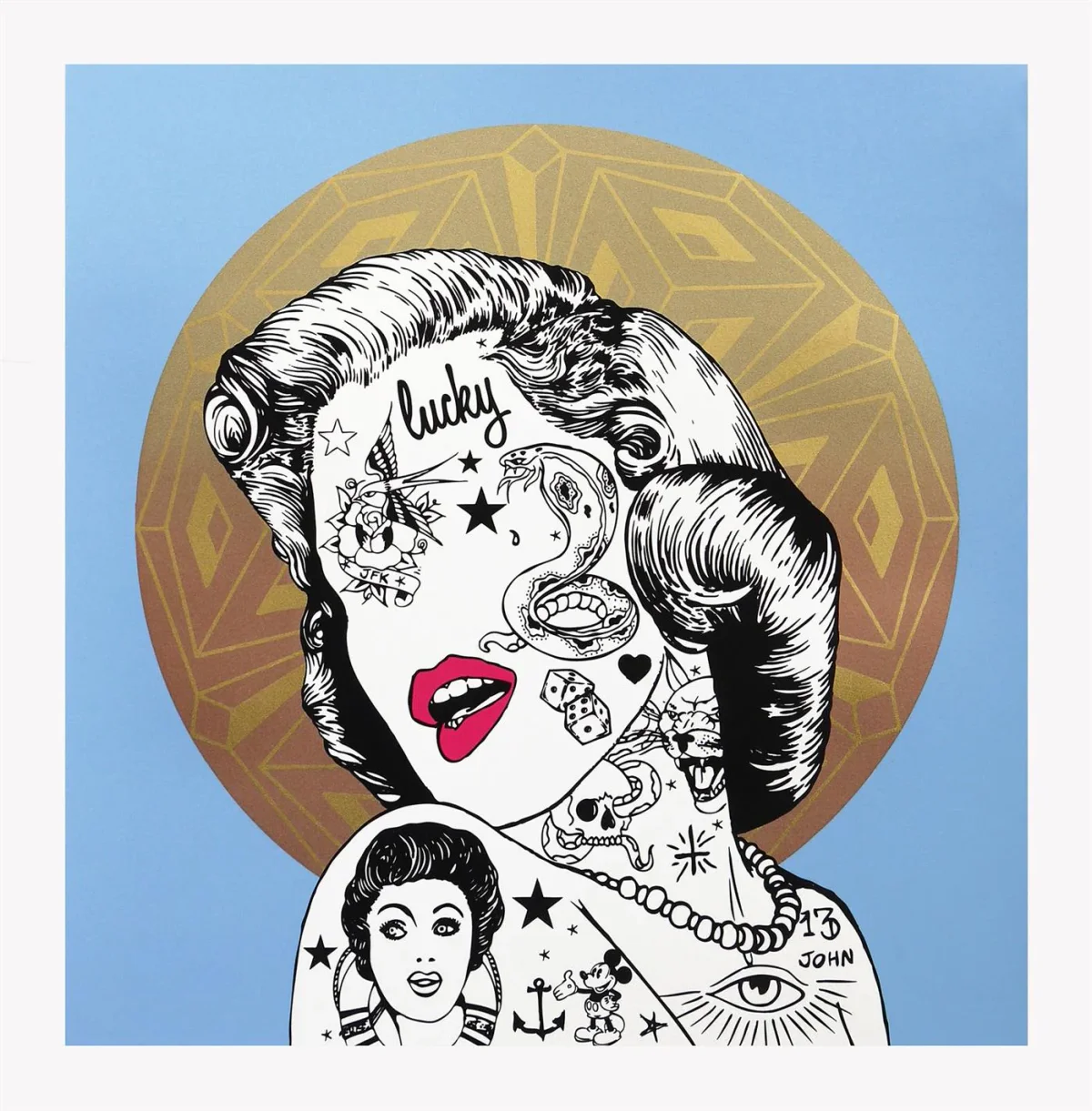
Marilyn - Gold Leaf Premium Edition - Rugman
Over time, Marilyn has become less a subject to be depicted and more a visual language in itself.
Warhol, After Warhol
The influence of Warhol’s approach continues to shape how celebrity imagery is understood today - both in fine art and in popular visual culture.
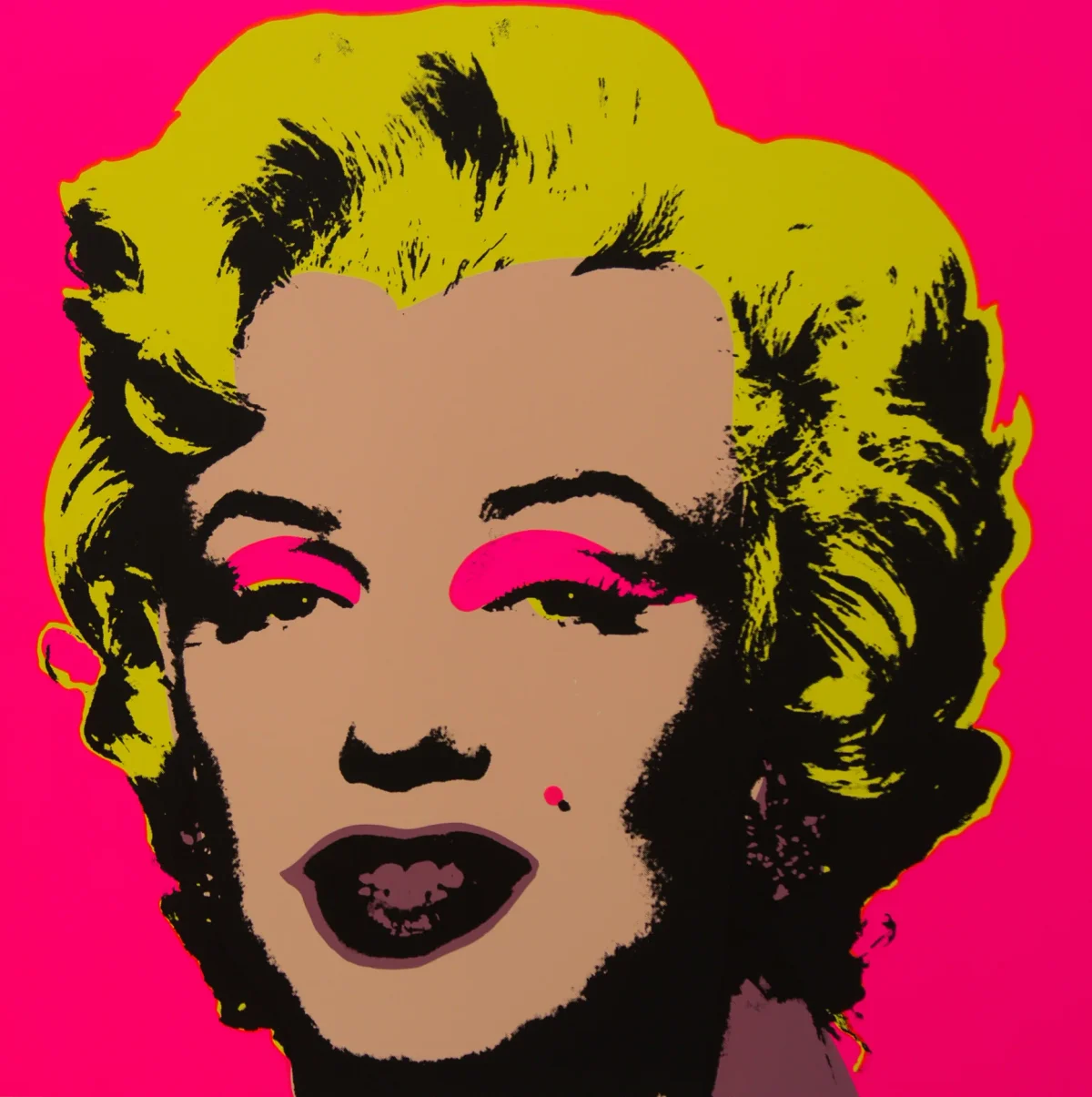
Marilyn 11:31 - Sunday B. Morning / Andy Warhol
It also set the tone for later editions and reinterpretations, including widely circulated print series associated with Sunday B. Morning, where Marilyn remains part of an ongoing dialogue around reproduction, authorship and accessibility.
Exploring Marilyn in Print and Photography
A century on, Marilyn Monroe remains one of the most revisited figures in visual culture not because her image is fixed, but because it continues to shift.
At Electric Gallery, we hold a selection of Marilyn Monroe photography and prints that reflect this evolving legacy - from iconic portraiture to pop art interpretations.
Explore the collection below.