World Cup Victory: The Story Behind England's 1966 World Cup Triumph
by Electric Gallery
Thursday 11 June 2026
World Cup Victory: The Story Behind England’s Most Iconic Football Photograph
As the 2026 FIFA World Cup begins, football fans around the world once again dare to dream. For England supporters, every World Cup inevitably brings memories of one historic summer day in 1966. The last time England’s men’s national team lifted football’s greatest prize.
The Image That Defined a Nation
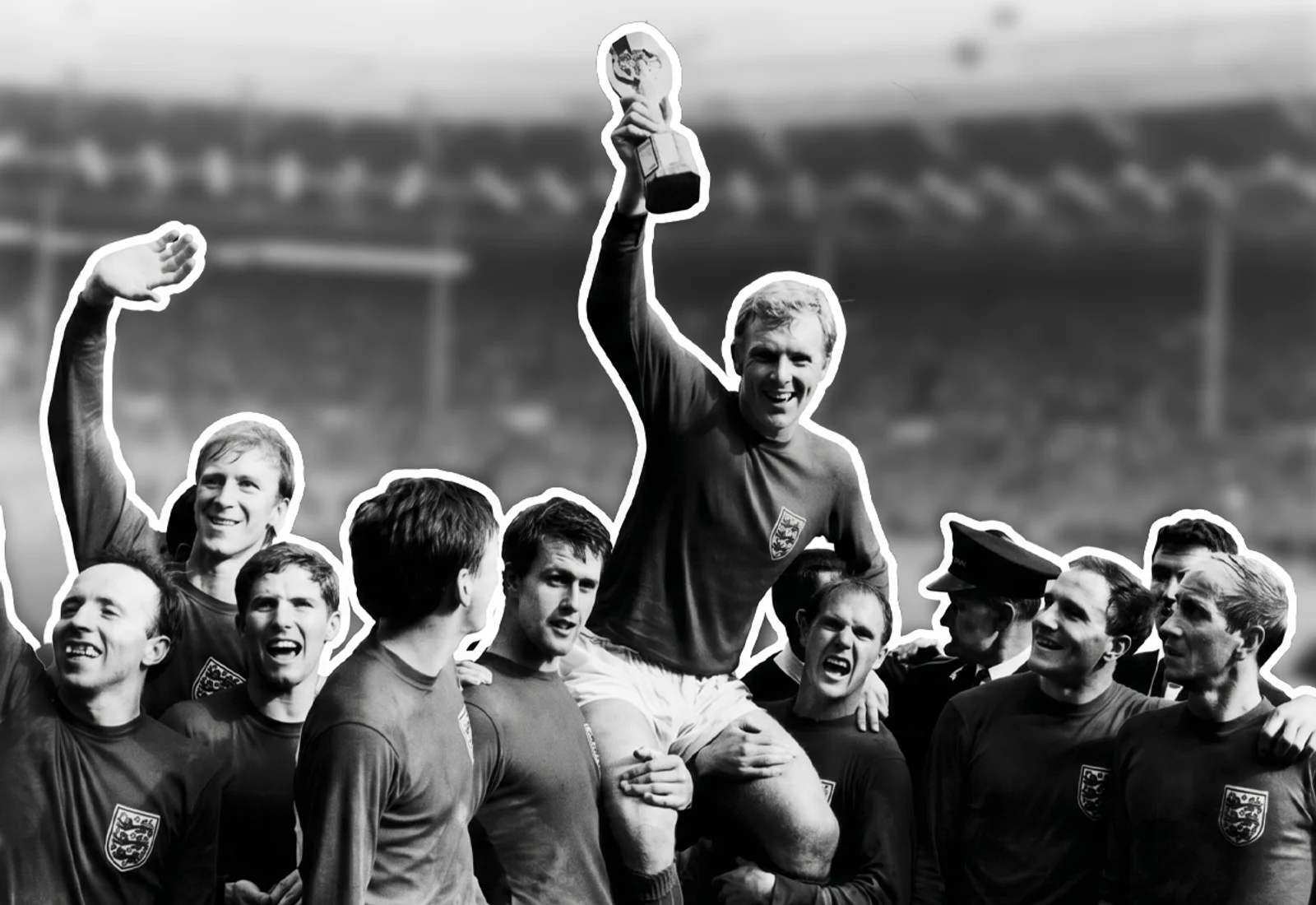
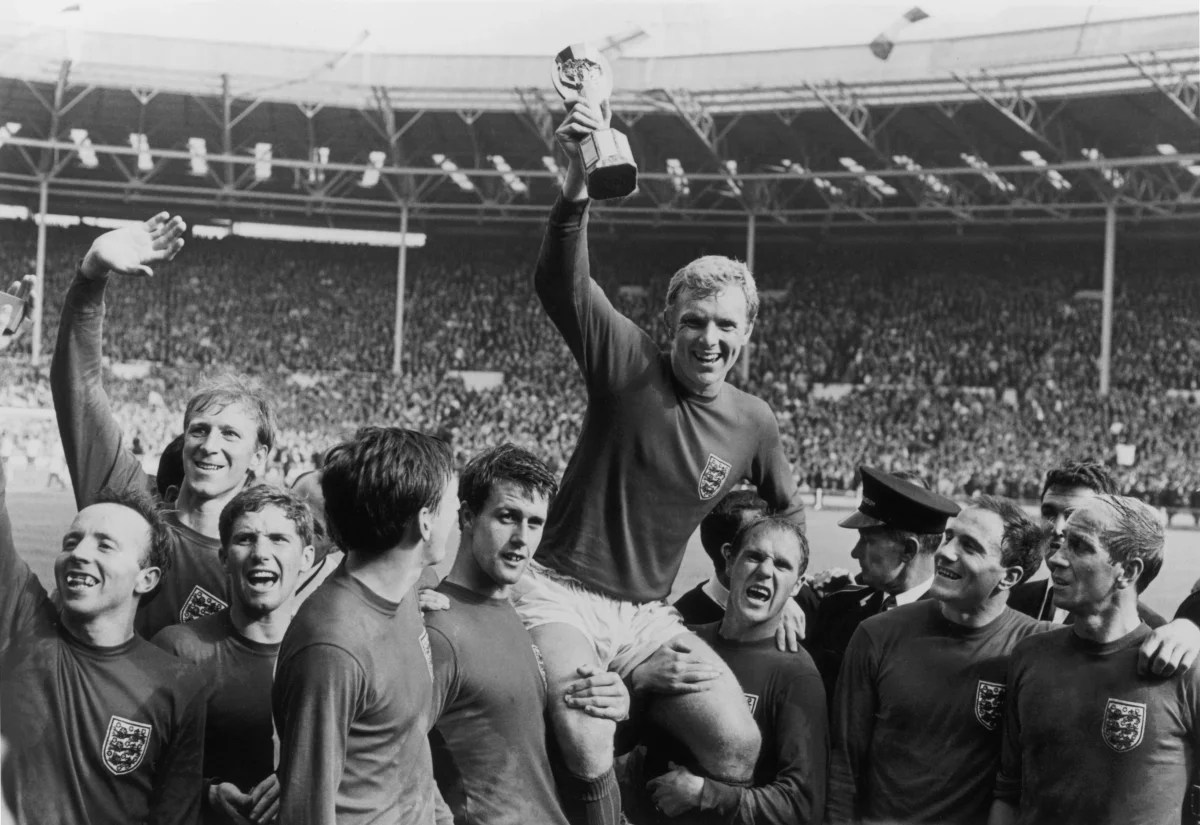
This remarkable photograph captures the moment England captain Bobby Moore is carried aloft by his teammates after England's famous victory in the 1966 FIFA World Cup Final at Wembley Stadium.
With the Jules Rimet Trophy raised triumphantly above his head, Moore stands at the centre of a jubilant sea of players, supporters, and history itself. More than simply a sporting photograph, this image has become one of the defining visual records of post-war Britain.
For many football fans, it represents the ultimate expression of national pride, sporting achievement, and collective celebration.
England's Greatest Footballing Moment
On 30 July 1966, England faced West Germany in front of 96,924 spectators at Wembley Stadium.
The match remains one of the most dramatic finals ever played:
- England took the lead through Geoff Hurst.
- West Germany equalised.
- Martin Peters restored England's advantage.
- A late German goal forced extra time.
- Hurst scored the famous "Wembley Goal" that struck the underside of the crossbar.
- He then completed the only hat-trick ever scored in a men's World Cup Final.
England won 4-2 after extra time, securing the nation's first (and to date only) men's FIFA World Cup title.
The Story Behind the Photograph
The power of this image lies in its authenticity.
Unlike carefully staged trophy presentations common in modern football, this photograph captures the spontaneous celebrations immediately following England's victory. Moore is hoisted onto the shoulders of his teammates while clutching the Jules Rimet Trophy, surrounded by players still absorbing the significance of what they had achieved.
The expressions tell the story:
- Joy
- Relief
- Exhaustion
- Disbelief
- Pride
Every face in the frame reflects the culmination of years of preparation and ninety-plus minutes of sporting drama.
The photograph immortalises a fleeting moment that lasted only seconds but has remained embedded in British sporting culture for six decades.
Why Bobby Moore Became a Footballing Icon
While England's 1966 triumph was a collective achievement, Bobby Moore emerged as its enduring symbol.
Widely regarded as one of the greatest defenders in football history, Moore combined elegance, leadership, composure, and tactical intelligence. His performance throughout the tournament earned admiration from opponents and teammates alike.
Perhaps the most famous tribute came from Brazilian legend Pelé, who described Moore as the finest defender he ever faced.
The image of Moore lifting the trophy became inseparable from England's greatest sporting achievement and remains one of the most recognisable football photographs ever taken.
Why the 1966 World Cup Still Matters in 2026
As the 2026 FIFA World Cup gets underway, England once again enters the tournament with hopes of ending a long wait for international glory.
Since 1966, generations of England players have attempted to replicate the success achieved by Moore and his teammates. While there have been memorable moments - including semi-final appearances in 1990 and 2018 and the European Championship final in 2021 and 2024 - the World Cup trophy has remained elusive.
This enduring gap between expectation and achievement is one reason photographs like World Cup Victory continue to resonate so strongly.
Each new tournament renews the possibility that another generation may create its own defining image.
The Enduring Appeal of Vintage Football Photography
Historic sports photography offers something modern images often struggle to replicate: a sense of permanence.
The black-and-white tones, packed Wembley terraces, and unfiltered emotion transport viewers directly back to one of football's most important moments. Unlike modern digital imagery, photographs from this era possess a documentary quality that feels both intimate and timeless.
For collectors, football enthusiasts, and sports historians alike, images from the 1966 World Cup remain among the most sought-after pieces of sporting photography.
A Moment Frozen in Time
As football's biggest tournament returns in 2026, this photograph serves as a reminder of England's greatest day on the world stage.
Nearly sixty years later, Bobby Moore's raised trophy remains more than a symbol of victory. It represents possibility, ambition, and the enduring hope that every World Cup brings.
Whether England finally adds a second star above its crest this summer or not, the image of Moore held high above his teammates at Wembley remains one of football's most powerful and enduring photographs.
World Cup Victory at Electric Gallery
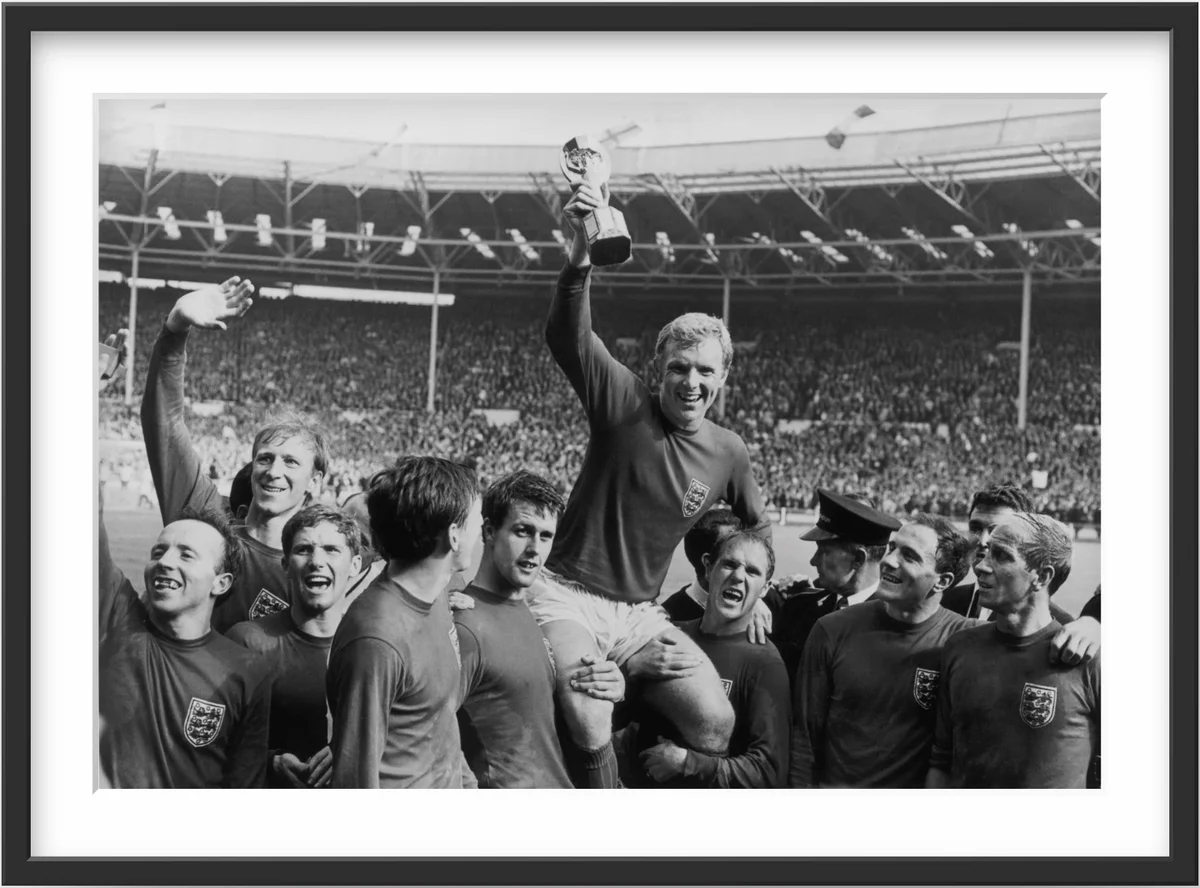
World Cup Victory can be purchased HERE at Electric Gallery at various sizes. All photographs are printed, issued and authorised by Getty Images. Electric works in close partnership with the Getty Images Gallery to offer officially certified prints from their iconic photographic archive.