Yayoi Kusama Dies Aged 97: Remembering the Life and Legacy of the Japanese Artist
by Electric Gallery
Thursday 27 August 2026
Yayoi Kusama, one of the world's most celebrated contemporary artists, has died aged 97. From her early life in Japan and pioneering work in New York to her iconic polka dots, pumpkins and Infinity Mirror Rooms, Kusama spent more than eight decades creating a visual language unlike any other.
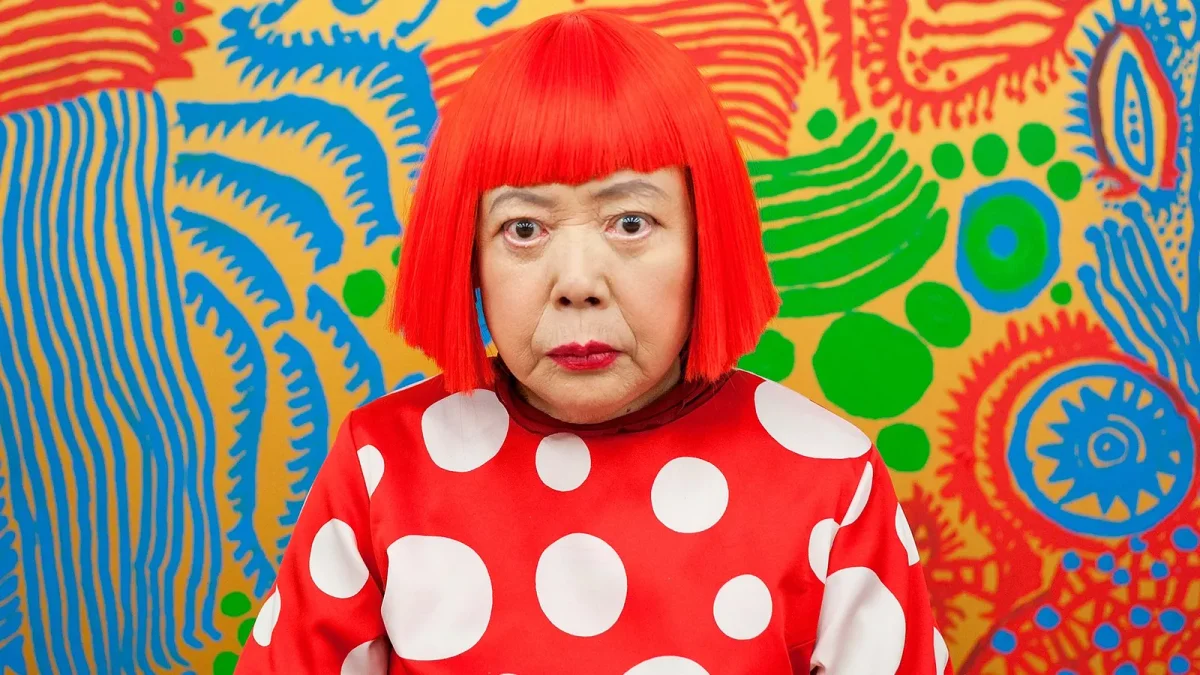
Yayoi Kusama: Remembering the Artist Who Turned Infinity Into Art
The art world has lost one of its most recognisable and influential figures. Japanese artist Yayoi Kusama has died at the age of 97, bringing to a close an extraordinary career that spanned more than eight decades.
Kusama died at a hospital in Tokyo on 14 August 2026. Her studio announced the news this week, describing a life devoted entirely to artistic creation. Remarkably, Kusama continued to paint until her final days.
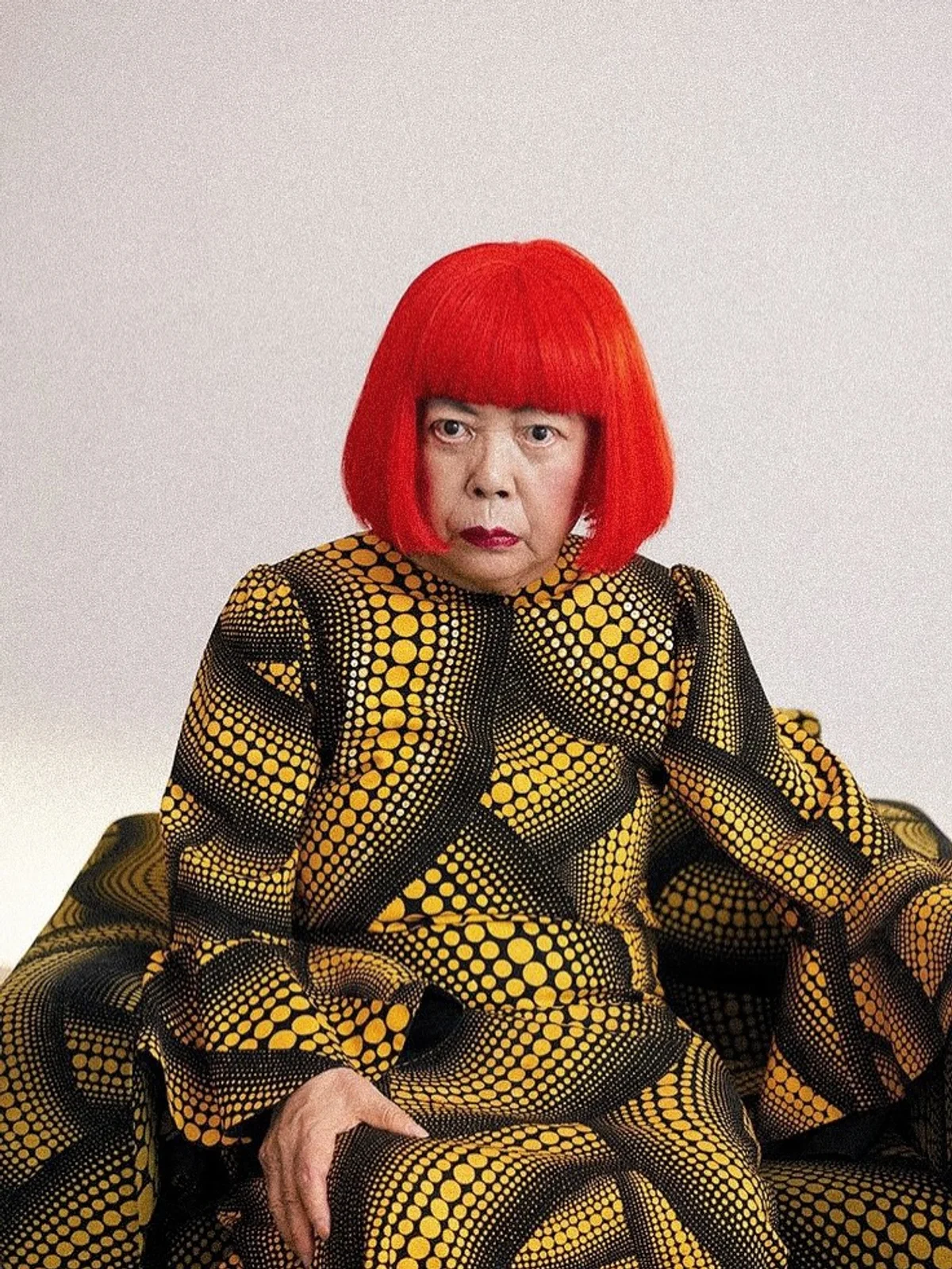
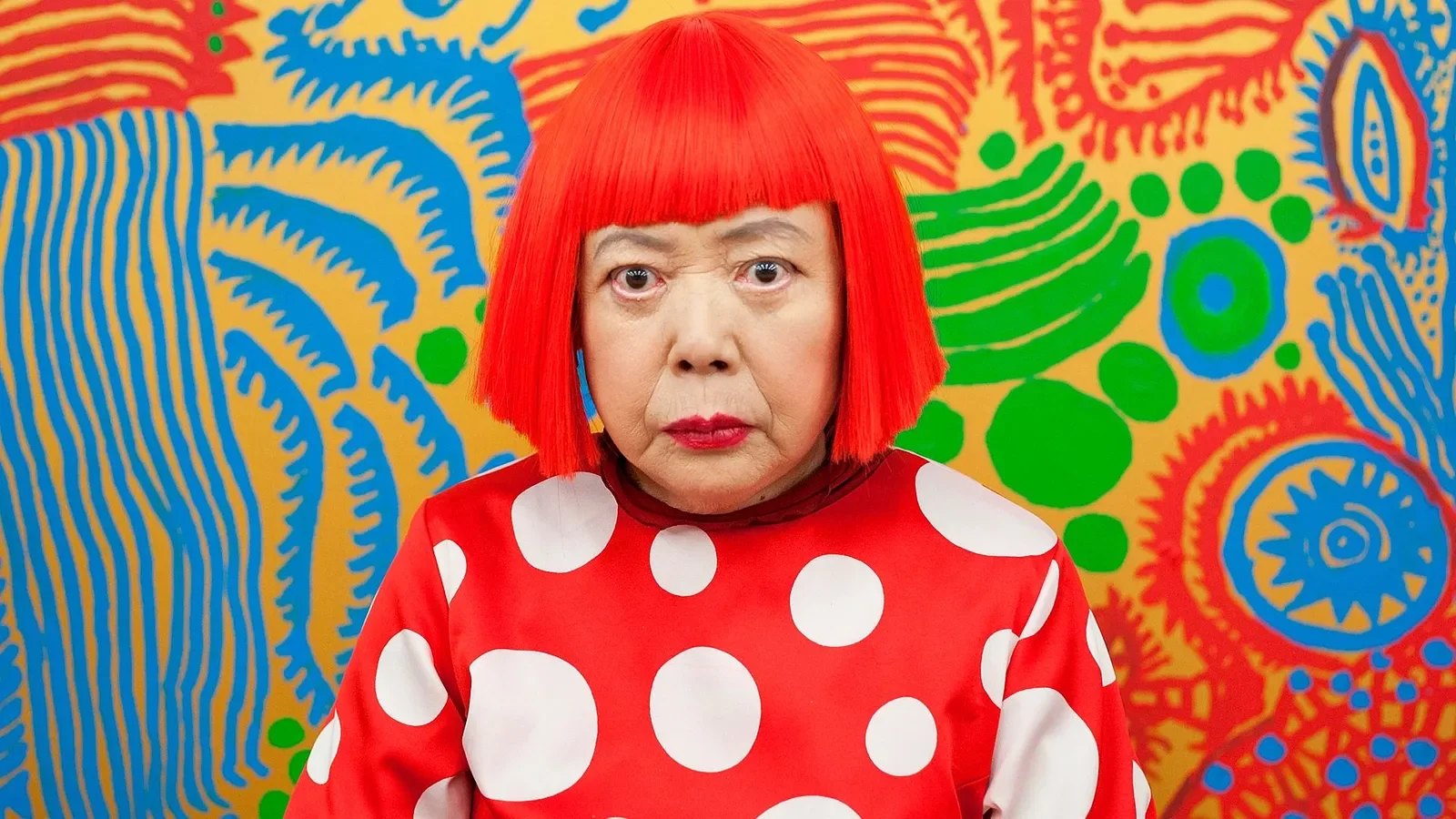
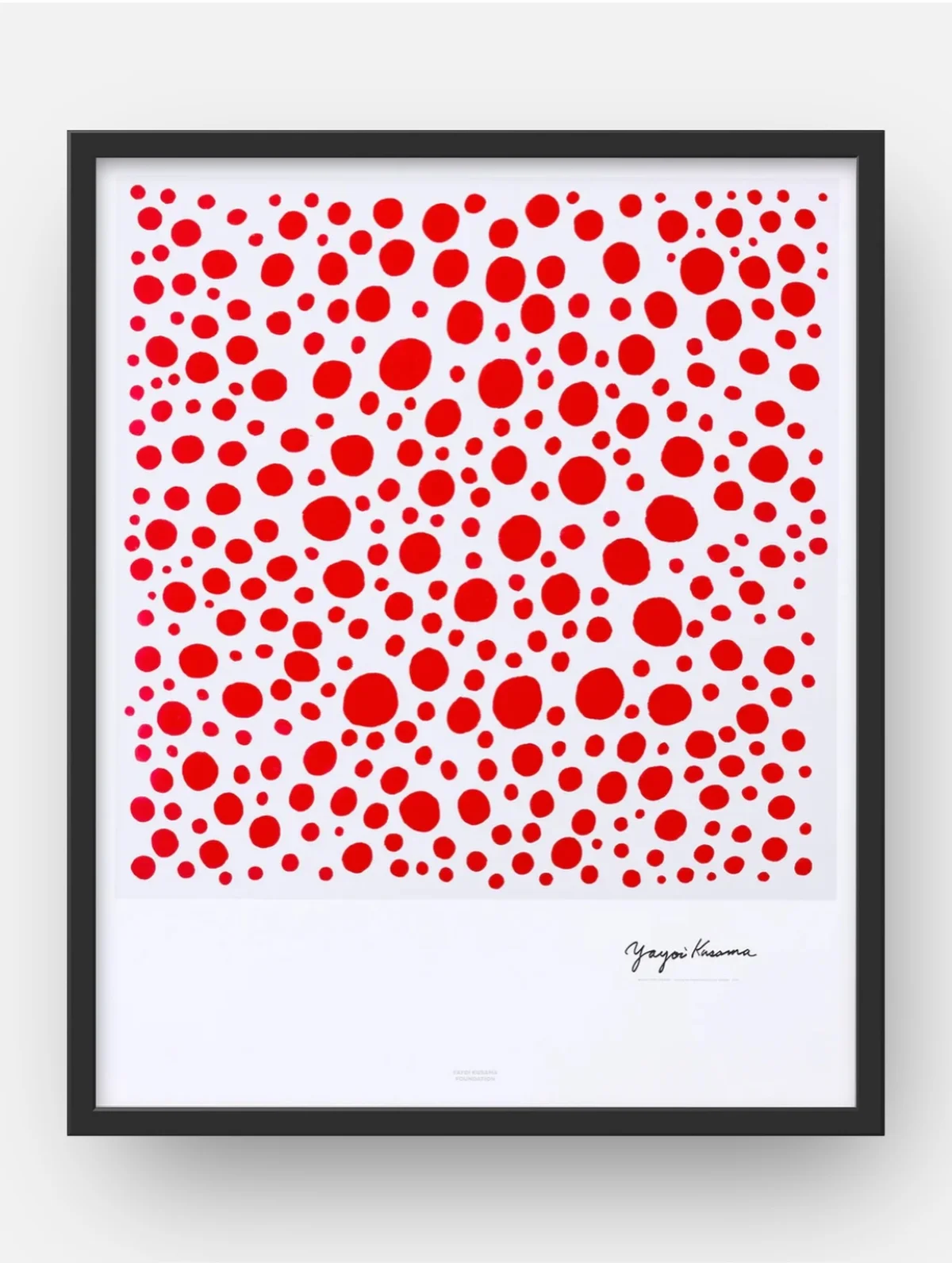
Few artists of the modern era have created a visual language quite as instantly recognisable as Kusama's. Polka dots, pumpkins, mirrored spaces, nets and endless repetitions became her signature, transforming canvases, sculptures and entire rooms into seemingly infinite worlds.
But behind those familiar dots was a deeply personal artistic journey - one shaped by childhood hallucinations, isolation, ambition, adversity and an extraordinary determination to keep creating.
From Matsumoto to New York
Yayoi Kusama was born in Matsumoto, Japan, in 1929. She began making art as a child, at a time when her ambitions were not always encouraged by her family.
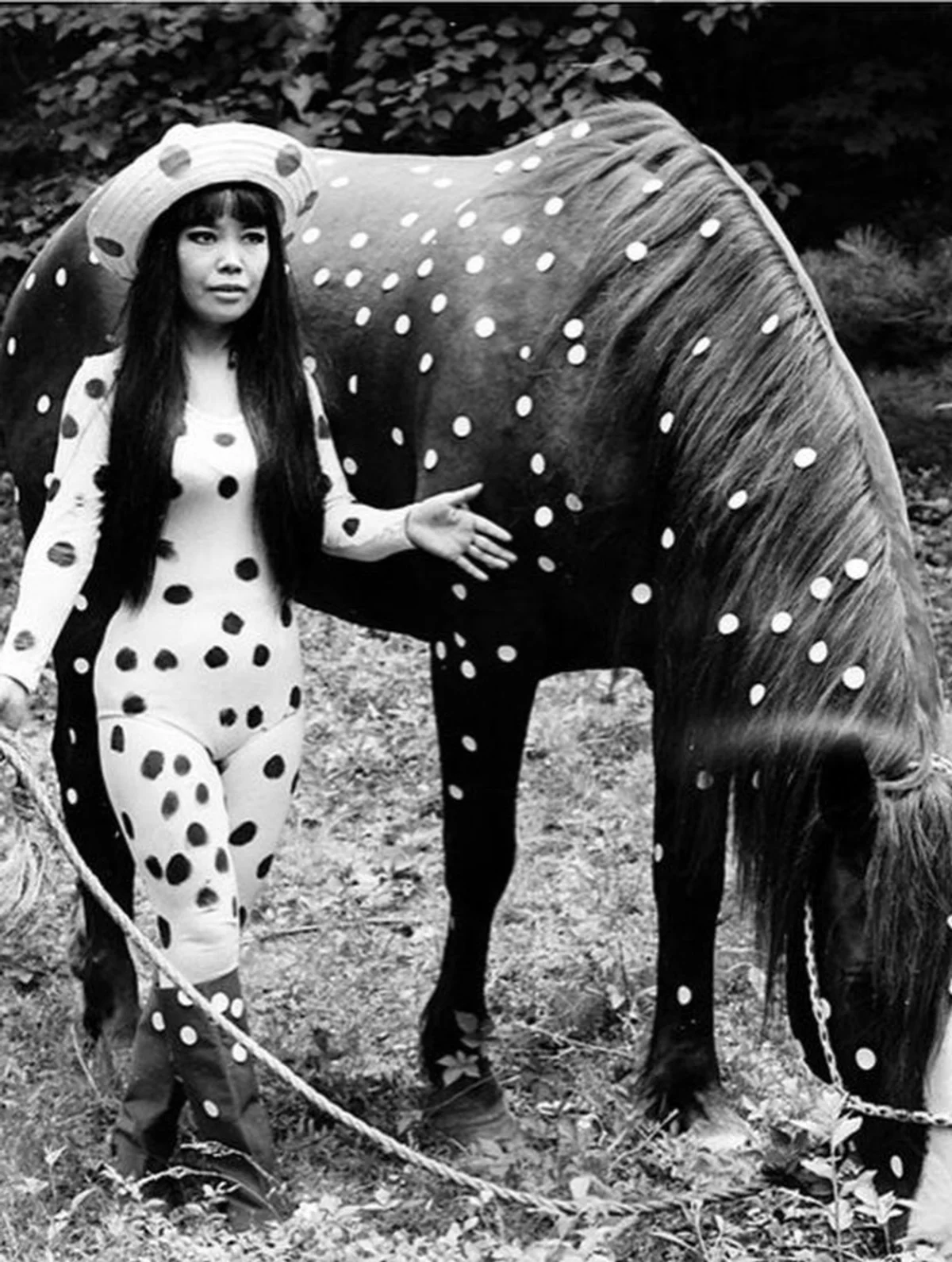
From an early age, Kusama experienced vivid hallucinations and described seeing patterns, dots and objects seemingly come alive around her. Rather than allowing these experiences to remain purely frightening, she began translating them into drawings and paintings.
Art became a way of understanding, and confronting, the world she experienced.
After studying traditional Japanese painting in Kyoto, Kusama became increasingly frustrated by the restrictions of the artistic environment around her. She dreamed of moving to America and eventually made the journey to New York in 1957.
It was a decision that would change the course of her life.
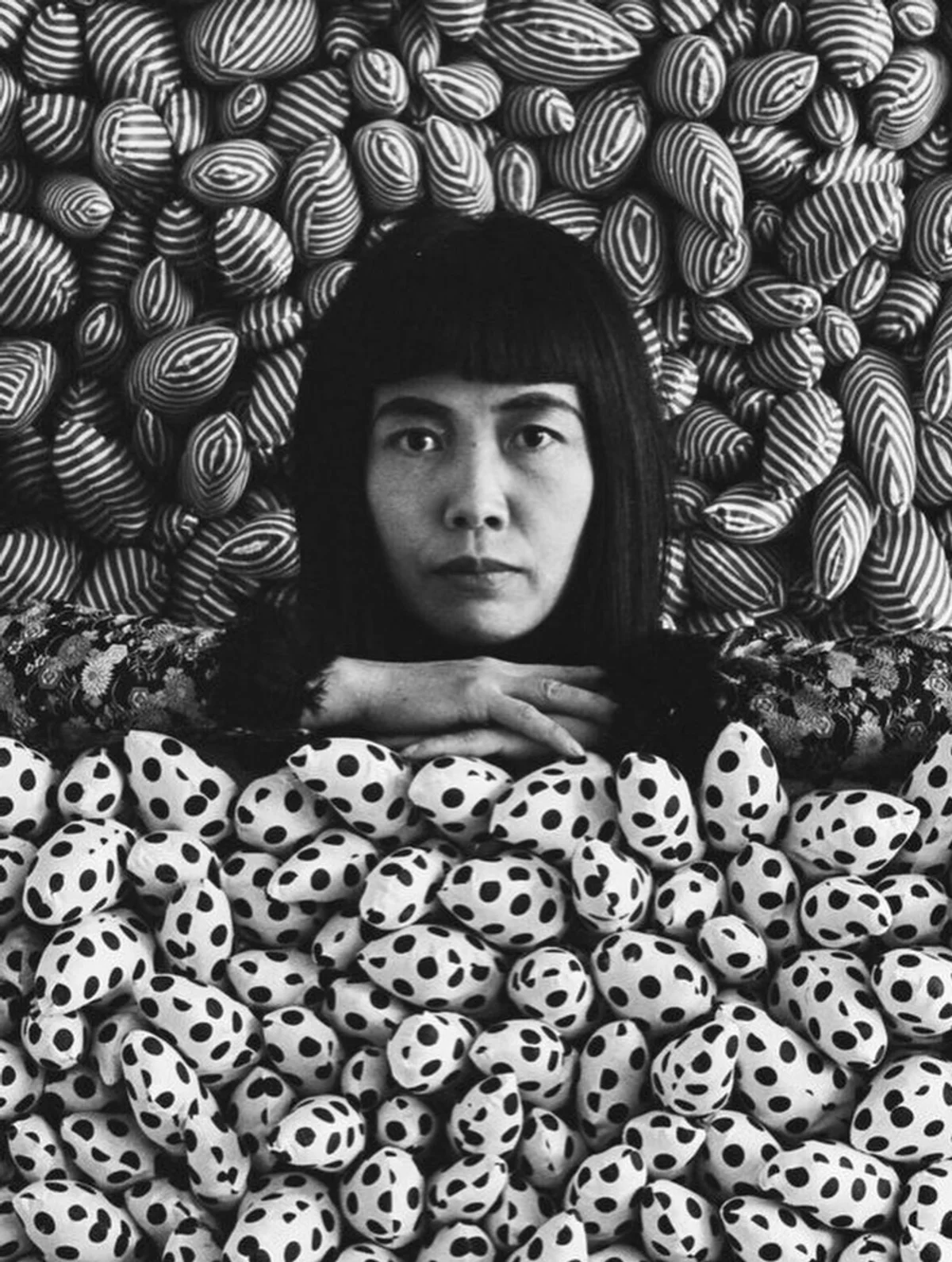
In New York, Kusama entered an experimental art scene dominated by male artists and quickly began developing the ideas that would define her career. Her early Infinity Net paintings consisted of thousands of tiny, repetitive brushstrokes covering enormous canvases.
The effect was hypnotic.
The individual marks appeared almost insignificant, but together they created something vast - a sense that the pattern could continue beyond the edges of the canvas forever.
A pioneer of repetition and infinity
Repetition became central to Kusama's work.
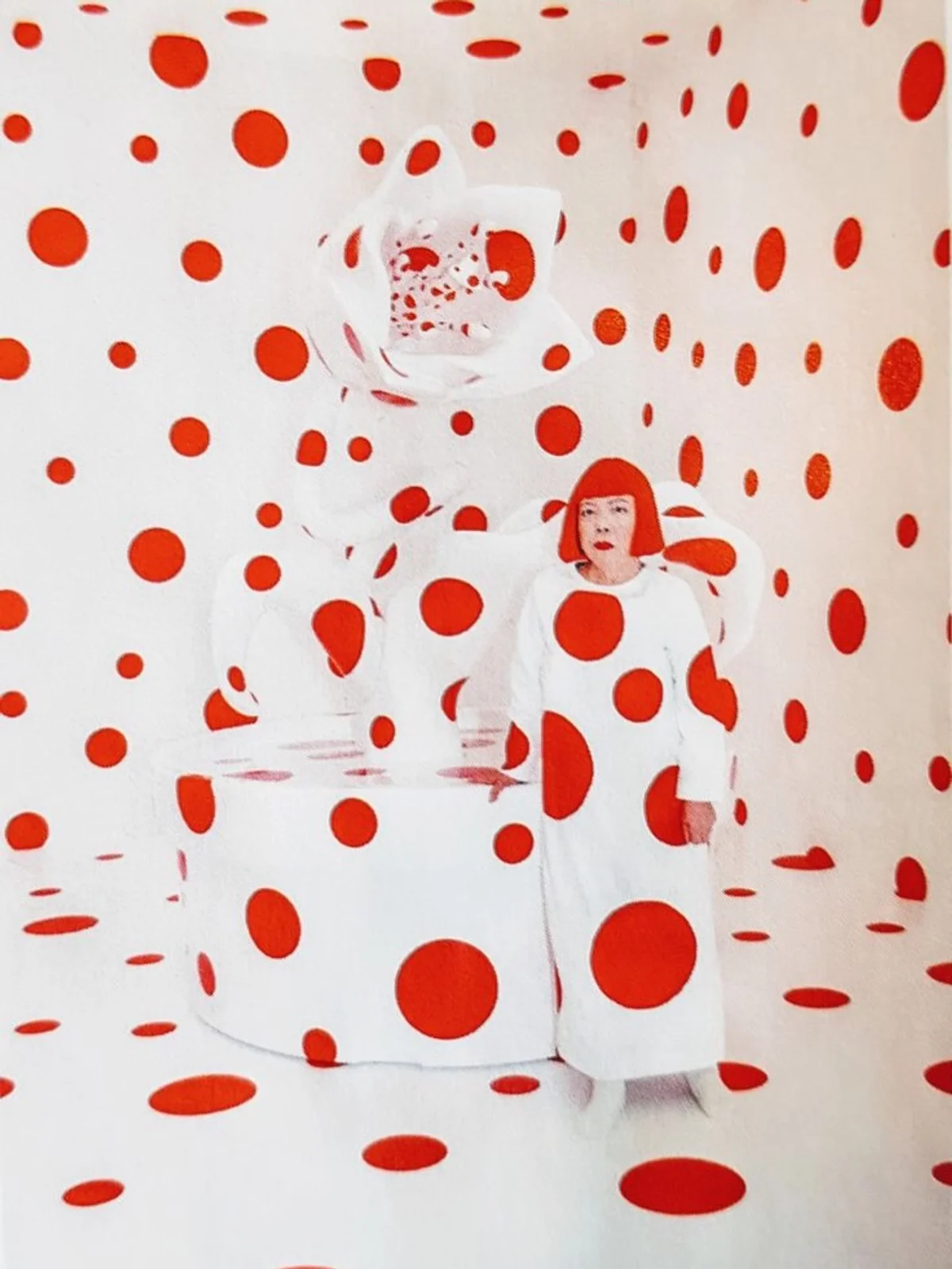
Dots were no longer simply dots. They became a way of covering surfaces, objects and eventually entire environments. Her work explored ideas of infinity, obsession, self-obliteration and the relationship between the individual and the world around them.
In the 1960s, Kusama became increasingly experimental, producing sculptures, installations and performance works that challenged the conventions of the art world.
She was also fiercely ambitious.
Kusama worked alongside, and sometimes found herself competing with, many of the artists who would go on to define the American avant-garde, including Andy Warhol, Claes Oldenburg and Donald Judd.
Her work often pushed boundaries, particularly through performances that addressed sexuality, politics and the Vietnam War.
In 1966, she famously staged Narcissus Garden at the Venice Biennale. The installation consisted of 1,500 mirrored spheres, which Kusama offered for sale to visitors. It was an early indication of her ability to blur the boundary between artwork, audience and spectacle.
The Infinity Mirror Rooms
Perhaps no part of Kusama's career has introduced her work to more people than her Infinity Mirror Rooms.
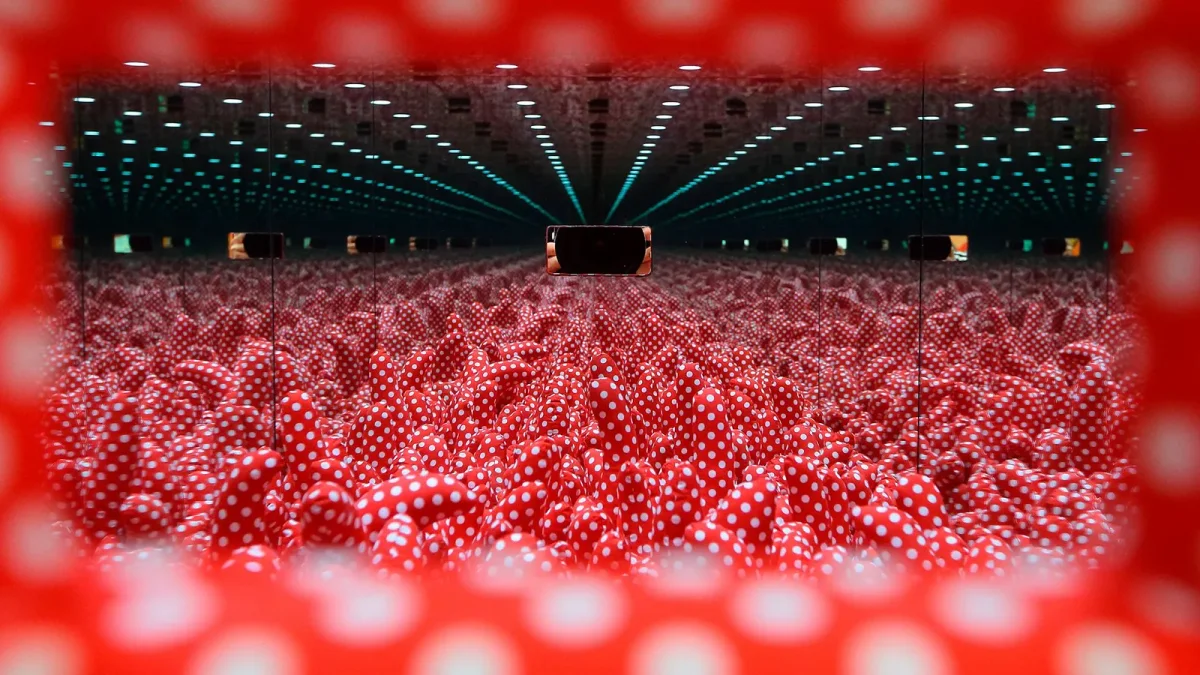
First developed in the 1960s, the installations transformed the experience of viewing art. Rather than standing in front of a painting, visitors entered the artwork itself.
Mirrors multiplied points of light into apparently endless distances, creating spaces that seemed to stretch infinitely in every direction.
Decades later, these installations became a global phenomenon.
Their visual impact made them particularly powerful in the age of social media, introducing Kusama's work to audiences who might never previously have considered themselves followers of contemporary art.
Visitors queued for hours to experience the rooms, often spending only a few moments inside.
Yet those few moments were enough to demonstrate one of Kusama's great strengths: she could make an incredibly complex artistic idea feel immediate and accessible.
The pumpkin that became an icon
Alongside her dots and mirror rooms, pumpkins became one of Kusama's most celebrated motifs.
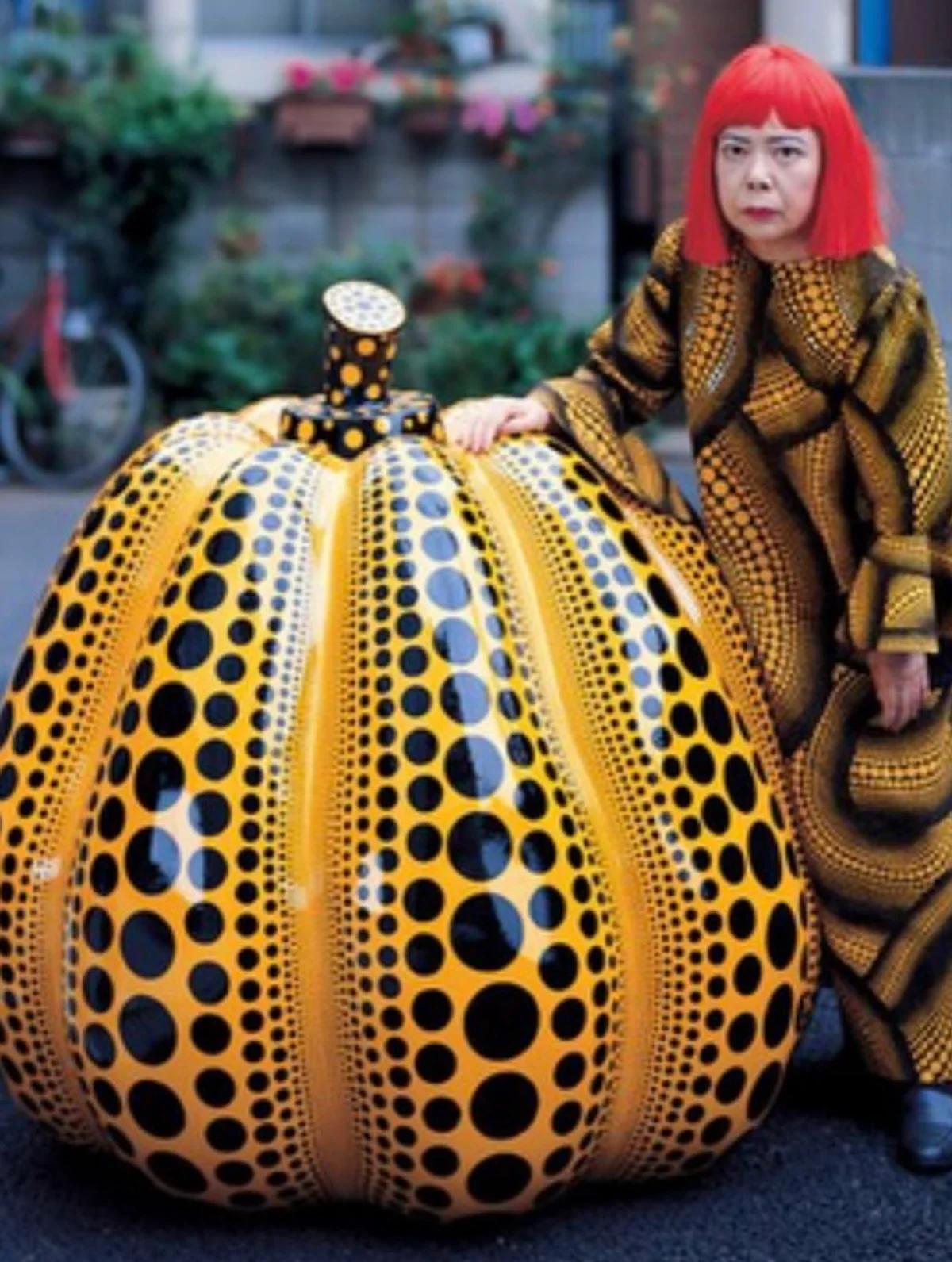
Her fascination with pumpkins began in childhood, when she encountered them growing on her family's farm. She later transformed the humble vegetable into one of the most recognisable objects in contemporary art.
Brightly coloured and covered in her characteristic dots, Kusama's pumpkins combined humour, familiarity and repetition.
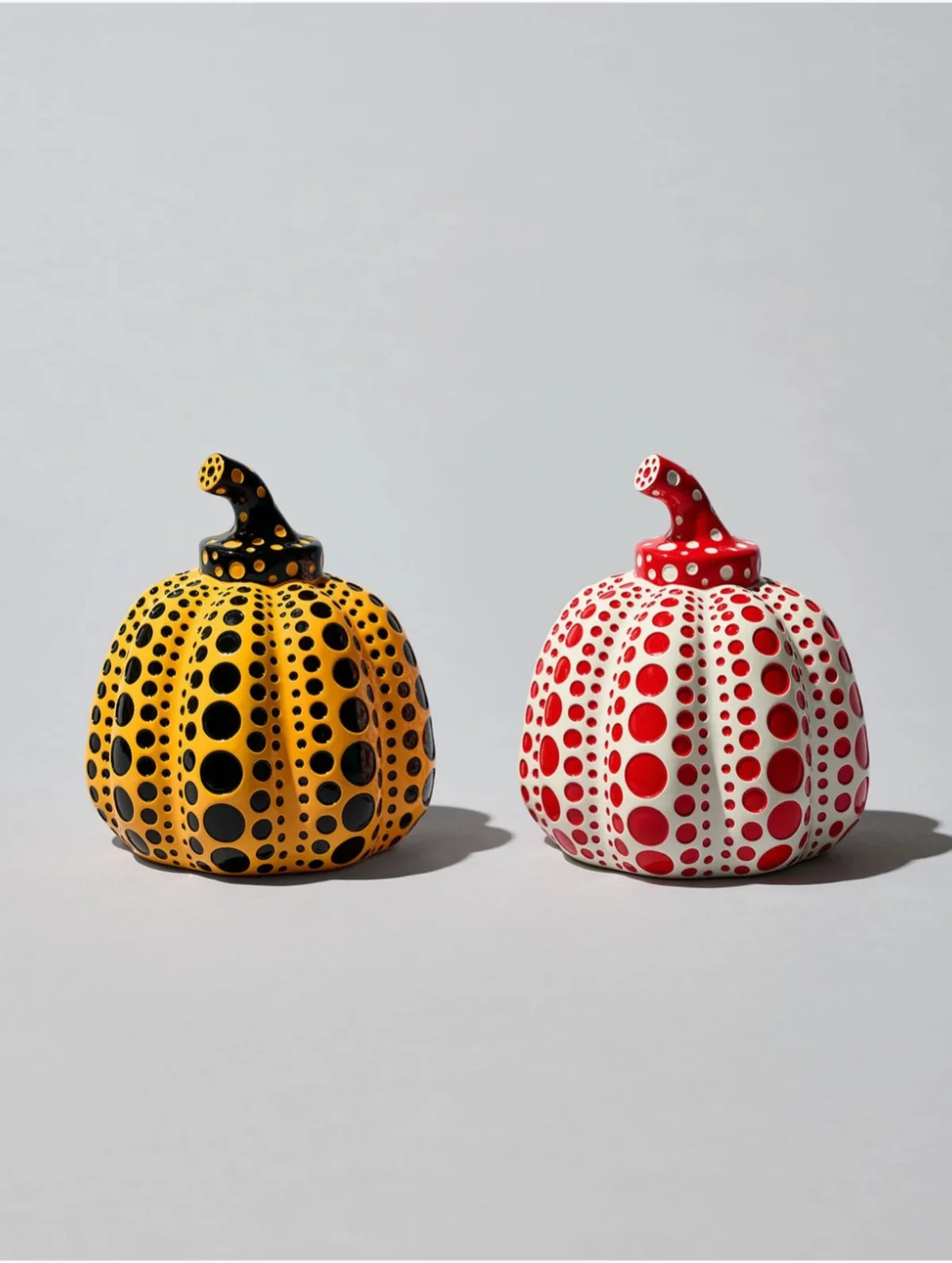
They were playful, but also unmistakably Kusama.
The pumpkin became a recurring symbol throughout her career, appearing in paintings, sculptures and installations around the world.
A career built on resilience
Kusama's career was not a straightforward rise to international fame.
After returning to Japan in the 1970s, she experienced significant struggles with her mental health and voluntarily lived in a psychiatric hospital in Tokyo from the late 1970s. She established a studio nearby and continued to work.
For Kusama, art was not simply a career. It was a means of survival.
She repeatedly spoke about the importance of creating as a way of confronting the experiences and visions that had shaped her life.
Rather than separating those experiences from her artistic identity, she incorporated them into her work.
That made Kusama's practice intensely personal, even when the finished works appeared playful, colourful and accessible.
From outsider to global icon
Kusama's international reputation grew significantly from the late 1980s onwards.
Major exhibitions introduced new generations to her work, while her participation in the 1993 Venice Biennale helped establish her as one of Japan's most important contemporary artists.
Her work subsequently entered the collections and exhibitions of major museums around the world, including Tate Modern in London and the Museum of Modern Art in New York.
In 2017, the Yayoi Kusama Museum opened in Tokyo, providing a permanent home for her work and ideas.
Her influence also extended far beyond traditional galleries.
Kusama collaborated with fashion houses, including Louis Vuitton, and her unmistakable visual identity appeared across fashion, design and popular culture.
The red bob, the polka dots and the brightly coloured installations became as recognisable as the work itself.
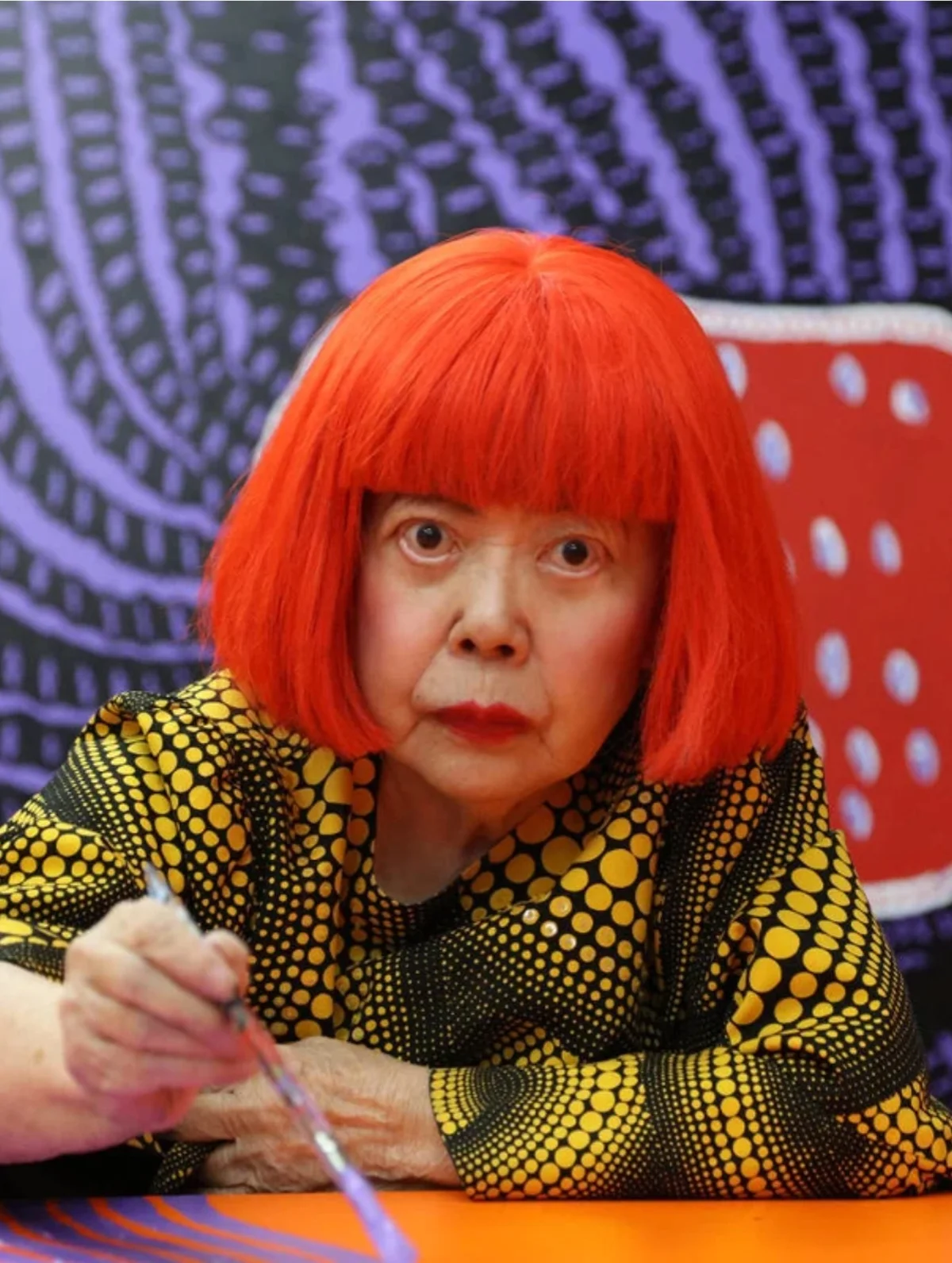
Yet the popularity never entirely diminished the ambition behind it.
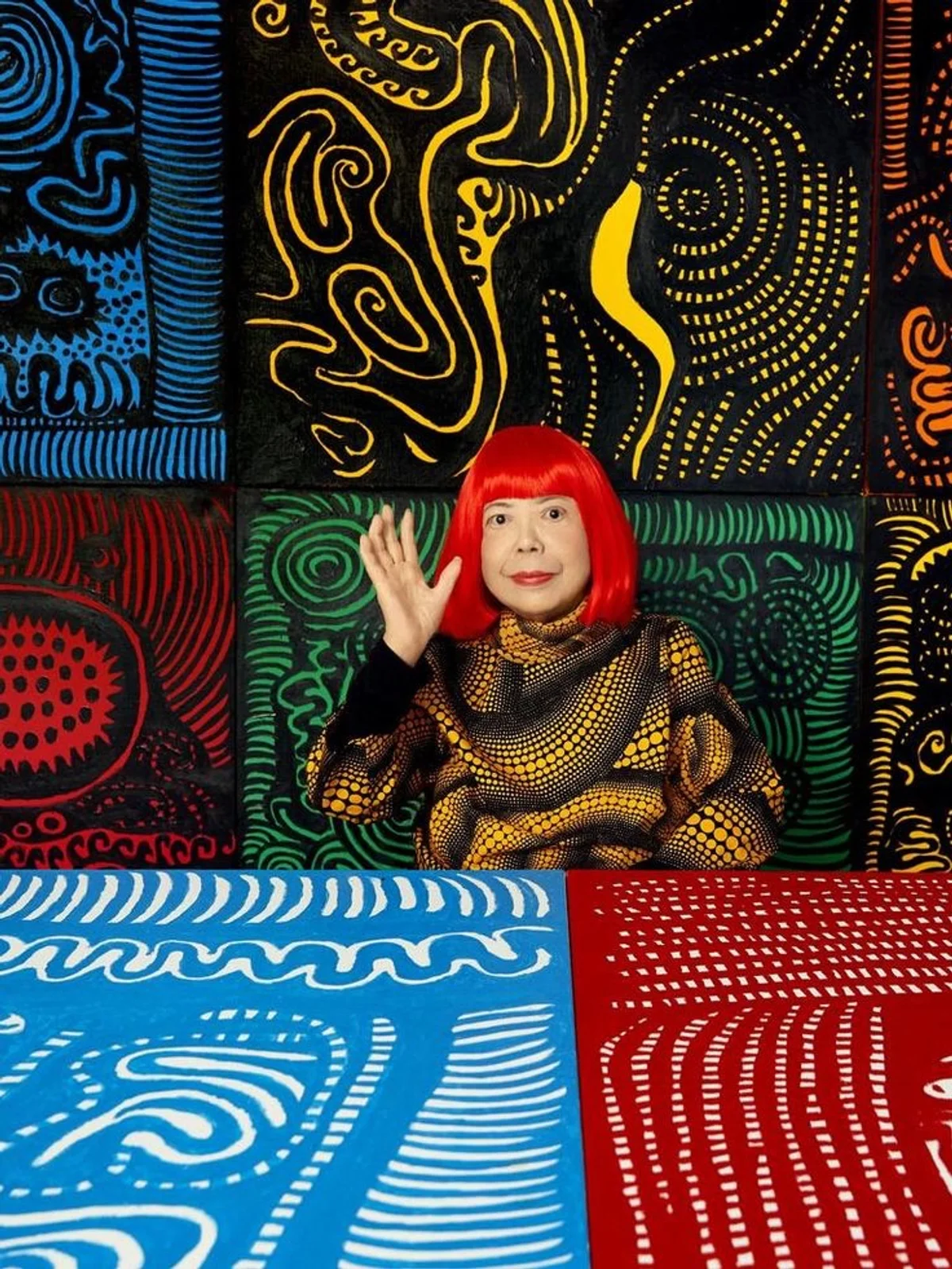
Kusama continued to explore the same fundamental ideas that had occupied her since childhood: infinity, repetition, identity, love and the relationship between the individual and the universe.
A legacy that will continue
Kusama's death marks the end of an extraordinary life, but certainly not the end of her influence.
Her work helped redefine what contemporary art could be. She demonstrated that an artwork could be intellectually challenging while simultaneously being playful, immersive and accessible.
She also showed that an artist could build an entirely individual visual language and carry it across generations.
For many people, their first encounter with contemporary art may have been through a Kusama pumpkin, a field of polka dots or the seemingly endless reflections of an Infinity Mirror Room.
That accessibility is part of her extraordinary legacy.

The Yayoi Kusama Museum and her foundation have said that her wishes will be carried forward through art, with the aim of bringing hope and strength to people around the world.
And perhaps that is the most fitting way to remember her.
Yayoi Kusama spent almost a century turning her visions into art - transforming dots into infinity, pumpkins into icons and personal struggles into something that could be shared with millions.
She never stopped creating.
And the worlds she created will continue to invite us in.
Frequently Asked Questions About Yayoi Kusama
How old was Yayoi Kusama when she died?
Yayoi Kusama died aged 97 in August 2026.
What was Yayoi Kusama famous for?
Kusama was famous for her polka-dot artworks, Infinity Mirror Rooms, pumpkins and immersive installations exploring repetition and infinity.
Where was Yayoi Kusama born?
She was born in Matsumoto, Nagano Prefecture, Japan, in 1929.
What are Yayoi Kusama's Infinity Mirror Rooms?
They are immersive installations using mirrors, lights and repeated reflections to create the illusion of an infinite space.